Monday, February 23, 2015

FDA Hindering Promising Therapies Derived From Patient's Own Cells

Interesting update from the Winter 2015 issue of City Journal: "Patient, Heal Thyself".

Their teaser line: "Treatments from our own cells could cure many diseases -- if Washington will only allow it to happen."

They discuss how the current FDA regulatory paradigm stifles this promising research:
Unlike conventional drugs, these cell therapies are created from scratch, one patient at a time, and many of the tools used to create them are simple, compact, and cheap enough to land in laboratories that serve hospitals, small clinics, and doctors in private practice. They have been landing there in growing numbers in the last decade, and Washington has been trying to keep pace.

The Food and Drug Administration (FDA) has taken the position—upheld in February 2014 by a federal appellate court—that a patient’s cells become a “drug” when extracted and manipulated in a laboratory, and may not be used to treat the patient without FDA approval. But it is far from clear how the agency should set about approving a custom-made drug that will be prescribed to only one patient, in whom its safety and efficacy will be largely determined by how the patient’s molecular biology interacts with itself....

[R]igidly scripted trials remain the norm at the FDA. Responding to the advent of drugs precisely designed to modulate specific molecular targets, the FDA has gradually come to accept that the drug-approval process must take into account the relevant patient-side molecular factors as well.

The FDA has, however, been slow to accept trial protocols that systematically investigate those factors and incorporate them into prescription protocols that increase the likelihood that the drug will be effective. With rare exceptions, the agency requires that the molecular factors that might affect a drug’s efficacy be identified by studying the disease before a clinical trial begins, or by analyzing the drug’s performance in short, early-phase trials that involve few patients—far too few to provide a full understanding of how variations in patient chemistry may affect a drug’s performance. This has already been recognized as a serious problem in the testing of certain categories of conventional drugs...
The scientific aspects are fascinating. And the regulatory aspects are infuriating.

For more details on both, see the full text of "Patient, Heal Thyself".

(Link via Instapundit.)


(Image from the article, captioned: "Emily Whitehead, a child given cell therapy for acute leukemia; her family says that she shows no sign of the cancer today. Ed Cunicelli, The Children's Hospital Of Philadelphia/AP photo.")

Saturday, February 21, 2015

BRI Debate at Georgetown

The Benjamin Rush Institute will be sponsoring a debate on 3/27/2015 at Georgetown University School of Medicine:

"Be It Resolved: Affordable, quality healthcare develops from maximizing freedom of choice – not government programs or mandates".

If you're in the Washington DC area, it looks like a great event!

From their announcement page:
When: March 27, 2015 @ 6:00 pm – 8:00 pm
Where: 
Georgetown U. School of Medicine - New Research Building Auditorium
Georgetown University
3900 Reservoir Road Northwest, Washington, DC 20007
USA
Cost:
Free, but RSVPs requested.
Contact:
John Grimsley
Please RSVP through the green “Tickets” link on the announcement page.

The event is free but we want to plan the right amount of food! There is a parking garage located under the Leavey Center accessible from Reservoir Road, or there is the Southwest Parking garage accessible from Canal Road.

Debate Venue Details:

Date: Friday, March 27, 2015

Time: [Eastern]
6:00 PM Reception with soft drinks and hors d’oeuvres; Registration and initial voting
6:30 Debate Begins
7:45 Debate Ends. Final voting, tally.
8:00 Announcement of results.

Place: Georgetown University School of Medicine
Room — New Research Building Auditorium
3900 Reservoir Road Northwest,Washington, DC 20007

Moderator: Michael Ramlet (Morning Consult)

Arguing the Affirmative:
Dr. Josh Umbehr MD (AtlasMD)
Dr. Lee Gross, MD (Epiphany Health, Inc.)

Arguing in Opposition:
Dr. Dennis McIntyre, MD
Dr. Adriane Fugh-Berman, MD

Friday, February 20, 2015

WSJ On Records and Regulators

Two quick links to recent Wall Street Journal pieces worth reading.

Singer: "ObamaCare's Electronic-Records Debacle".

He highlights both the obvious and hidden costs of mandated electronic medical records, and how they harm patients in the real world.

Huber and Howard: ''What Failed, the new Cancer Treatment or Regulators?"

They discuss how rigid FDA testing guidelines hinder the approval of drugs that might work well for one subpopulation of patients, even if they have minimal effect on the general population.  In essence, this means stifling the development of "personalized medicine" and "precision oncology" based on an individual's unique genetic traits.

(As always, if these direct links only show the preview page, you can often read the full text for free by typing the article title into a Google search box, and getting the "Free Day Pass" version of the article.)


Wednesday, February 18, 2015

ICD-10 Costs

From the Daily Signal: "How This New Regulation Will Drive Up Your Health Care Costs".

Our own medical practice is already undergoing ICD-10 training as well as upgrading our business office software.  I don't know how much money it is costing, but it sure is taking a lot of man-hours!

(Via Benjamin Rush Institute.)

Monday, February 16, 2015

Hsieh Forbes Column: Why You Should Record Your Doctor Visits

My latest Forbes piece is now out: "Why You Should Record Your Doctor Visits".

Here is the opening:
NBC's Brian Williams has gone from being a respected news anchor to the butt of Internet jokes after he recanted a false story about being shot down in a helicopter over Iraq. As a result of the subsequent controversy, NBC has suspended Williams without pay for 6 months -- essentially costing him $5 million.

But whether or not Williams' story was an innocent "false memory" or a deliberate lie, it is the case that false or unreliable memories are a surprisingly common phenomenon. In a health care setting, patients' false memories of medical conversations might cost them more than money -- it might even endanger their lives. Hence, patients may wish to record their doctors' visits to protect themselves...
During my research for this piece, I learned that "40-80% of medical information provided by healthcare practitioners is forgotten immediately" and "almost half of the information that is remembered is incorrect" (!)

Fortunately, modern technology now makes it easier for patients to record these important discussions with physicians, for instance with a smartphone.

For more information on the benefits of this practice, read the full text of "Why You Should Record Your Doctor Visits".


Wednesday, February 11, 2015

Coverage But No Care in NJ, CA

Two recent news stories from New Jersey and California again highlight the fact that "coverage" does not equal medical care.

From the New Jersey Star-Ledger (2/5/2015): "Who will treat the flood of Obamacare Medicaid patients?"

From the San Jose Mercury News (2/7/2015): "Obamacare: Medi-Cal a waiting game for many low-income Californians".

In New Jersey, patient Justin Holstein said:
"You have a card saying you have health insurance, but if no doctors take it, it's almost like having one of those fake IDs," he said. "Your medication is all paid for, but if you can't get the pills, it's worthless."

Richard Holstein, his father, is a Long Branch psychologist who has watched his son struggle to get care. Yet he no longer accepts Medicaid in his own practice because the managed care payment of about $40 is half of what regular insurance pays, and a quarter of his full fee, he said.
Similarly, in California:
"We had a shortage of primary care doctors before this flood (of Medi-Cal enrollees) came about," said Dr. Steven Harrison, a veteran primary care doctor who directs a residency program for such physicians at Natividad Medical Center in Salinas. "Now we have a dire shortage."
A common theme in both stories: Patients were promised "coverage" under ObamaCare.  But they have a very difficult time finding a physician willing to see them, especially at the low rates that Medicaid pays.  Doctors essentially lose money on these patients, which means there is no way they can "make it up in volume".

The government even forbids Medicaid patients and doctors from reaching their own mutually-acceptable contractual arrangement to supplement Medicaid fees.  From the Star-Ledger piece:
Joanna DeProspero was desperate to find a pain management doctor for her adult daughter, who works part-time at Home Depot despite back pain. When she proposed paying cash, she learned it's illegal for a doctor to accept such a payment. Doctors who participate in Medicaid cannot bill a patient anything extra, said Downs, of the medical society -- even if that payment is freely offered by the patient.

 "I've literally cried at the end of the day after six or eight phone calls," said DeProspero...
One unfortunate side effect is that the patients end up going to the local emergency rooms instead (for care that isn't strictly an emergency), thus worsening the overcrowding situation in the ERs.

Supporters of the Affordable Care Act trumpet the increased "coverage" numbers provided by the law. But much of that increase is due to an expansion of Medicaid rolls, where the benefits are increasingly illusory for patients.

As we've seen throughout history, central planning and government fiats cannot create supplies of goods and services from thin air.  Instead, they merely create (or worsen) shortages.  Sadly, patients in New Jersey and California are paying the price for their lawmakers' ignorance of this lesson.

(New Jersey link via M.L.)


Tuesday, February 3, 2015

Hsieh PJM Column: Herd Immunity Applies To Guns As Well As Vaccinations

My latest piece for PJ Media, "Herd Immunity Applies to Guns as Well as Vaccinations":
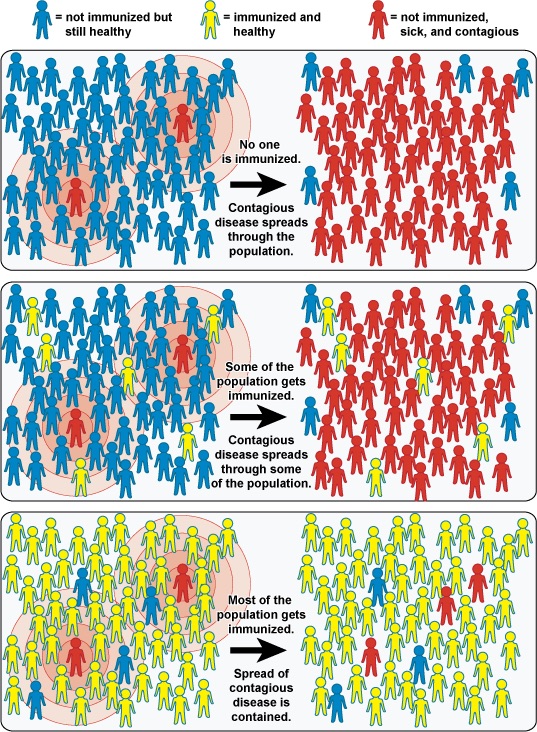
The medical theory of “herd immunity” posits that enough vaccinated individuals in a population can reduce the risk of contracting a disease — even for those who aren’t vaccinated. From the experience in Illinois and around the country, a relatively small number of armed people can similarly reduce the risk of crime — even for those who aren’t armed.
The "payoff" may be even better for gun ownership than vaccination.  In the case of Illinois, even a relatively small 1% of people with new concealed carry licenses has resulted in a dramatic decrease in violent crime rates.

For more details, read the full text of "Herd Immunity Applies to Guns as Well as Vaccinations".


Catron: Uninsured Balk At Obamacare Bite

David Catron has a new piece in the American Spectator: "Uninsured Balk At Obamacare Bite".

Catron discusses the discovery by Kaiser that half of the uninsured remain without coverage because the cost of insurance is too high under Obamacare.  From his piece:
Such is the genius of our Beltway masters. They pass a law that distorts the insurance market so badly that coverage becomes unaffordable, then fine people for failing to buy it. Next, of course, these brilliant statesmen will try to escape the consequences of their meddling by giving special dispensations to those whose lives they have disrupted. Robert Pear continues, “The White House has already granted some exemptions and is considering more to avoid a political firestorm.” The Obama administration is like a drunk driver offering money to someone he has sideswiped so she won’t telephone the police.

Meanwhile, beyond the walls of the Washington rehab ward, the Kaiser Foundation survey contains more bad news about the President’s “signature domestic achievement.” Contrary to the claims of Obama and his media mouthpieces, the fortunate few who can still afford coverage have continued to experience problems finding their way through the labyrinthine Obamacare sign-up process: “Nearly two-thirds of uninsured adults who sought ACA coverage said they had some difficulty with finding out how to apply, filling in the information, assembling the paperwork, or submitting the application.”

And mere eligibility combined with the perseverance to navigate the application process is by no means a guarantee that an uninsured individual can sign up for an “affordable” health insurance policy. The Kaiser survey continues, “Among those who did try to get ACA coverage, the most common reason people gave for not having ACA coverage was that they were told they were ineligible.… This pattern holds among those who appear eligible for financial help under the ACA.” In other words, the HHS bureaucrats who “help” enrollees remain as clueless as they were the day Healthcare.gov was launched.
His piece peels back more of the pro-ACA narrative we've been seeing in the news. For more details, read the full text of "Uninsured Balk At Obamacare Bite".


Monday, February 2, 2015

Oregon Insurance Reform Proposal

One of my physician colleagues pointed me towards draft legislation proposed in Oregon to reform the insurance market: "LC 2991 2015 Regular Session".

I definitely like the three provisions on the second page, specifically:
(1) Protecting a patient's right to pay with their own money for medical services.
(2) Protecting a physician's right to decline to accept insurance (i.e., forbidding the state from requiring physicians to accept insurance.
(3) Forbidding the state from requiring physicians to provide medical care just because state orders it.
In other words, those provisions help protect the doctor-patient relationship and the individual rights of patients and physicians.

I'm more concerned about the major provision on the first page which, "Prohibits insurer from imposing cost sharing or similar requirements for services provided by out-of-network providers that are greater than requirements for services provided by in-network providers".

In a free market for insurance (which we don't currently have), it would be totally legitimate for insurers to charge lower rates for services provided "in-network" compared to "out-of-network".

But the current context most definitely is not a free market.  Rather, people are required to purchase insurance by the government, and insurance companies are heavily regulated as to what services they must cover and what prices they can charge. In essence, government tilts the playing field in favor of certain medical providers -- namely, those willing to "play ball" with insurance companies, which in turn are willing to "play ball" with the state.

One might therefore argue that this provision would help smaller independent practices from the increasing power of government-favored "Big Medicine".  This might (in theory) be justified as a temporary measure to help buy time to keep private medicine alive, while free-market advocates continue their broader fight to overturn ObamaCare and replace it with genuine free-market reforms.

I'm sympathetic to this argument, although yet not fully decided in my own mind.  As usual, readers should decide for themselves.

There's also a related petition at Change.org, "End Insurance Company discrimination against patients who choose out of network care".

And a second petition on the purer free-market elements, "Pass the Oregon Patient Access to Benefits Act".

(Information via Dr. Kathleen Brown.)

Some follow-up commentary from Dr. Brown (quoted with her permission):
Part of what we want to do with this bill is to educate people, including legislators, about how poorly these plans protect people financially, in the event of medical catastrophe. That should be one of the main functions of health insurance. Many people might see their $2500.00 deductible on an exchange plan, and not realize that their annual cap is actually $19,050.00. Patients don't always get to choose in-network in an emergency.

Our hope, if this passes, is that it would allow a "space" in the out-of-network arena for real price competition to occur. We are going to be seeing narrow networks, and doctors becoming involuntarily out-of-network. We want being kicked off the network to be a survivable event for the doctor or medical group.

It isn't perfect, but I think it is a decent strategy in a David vs Goliath battle. The best thing would be removal of lots of regulations so that insurance companies would have to provide choices in order to compete. If that happens, this bill won't be needed.
And:
Another important point, is that subscribers and doctors get top-down control of their medical care by the payer, along with their financial benefits, when in-network. You cannot buy a policy without this. Furthermore, when there are only one to three insurers in a state, this in-network/out-of-network differential creates a huge leverage tool for the companies to ratchet down the rates they pay to "providers". I guess that is what some people call "competition". Not me.
Both are excellent points worth considering.


Thursday, January 29, 2015

Jumping Through Quality Hoops

The Washington Post reports, "The Obama administration wants to dramatically change how doctors are paid".

Essentially, they wish to move away from the standard fee-for-service model and towards payments based on "quality".

In theory, this sounds good -- after all, who could possibly be opposed to quality?  And it's true that there are perverse incentives in the current system, where doctors get paid regardless of whether they are doing a good job or not.

But the various "quality" measures and "pay for performance" incentives we've seen so far from Medicare and Medicaid have at best a tenuous relationship with what most patients would see as "quality" care.  And this is an inherent problem in any system where the person receiving the service isn't the person paying for it.

As Dr. Michael Kirsch explained last year, many of these measures have "nothing to do about real medical quality, but... everything do about cost control." 

Patient care can also suffer, as physicians have to choose between following the quality measures vs. doing what's actually right for the patient. These quality measures can introduce their own perverse incentives.

For example, there was a push a few years ago to reward ER physicians for getting patients with pneumonia on antibiotics within a certain time frame.  As an ER radiologist, our job was to call the ER physician ASAP everytime we saw a chest x-ray on a patient that showed possible pneumonia so the treating physician could start the therapy within the allotted time.

Of course, this also took time away from other equally urgent work (for which there was no bonus.)

And this might not have been good for the patients either. Officials at the Centers for Medicare and Medicaid Service admitted that some of these measures could result in "inappropriate delivery of a service to some patients (such as delivery of antibiotics to patients without a confirmed diagnosis of pneumonia), unduly conservative decisions on whether to exclude some patients from the measure denominator, and a focus on meeting the benchmark at the expense of actual improvements in quality or patient outcomes."

As we see more quality measures introduced, we'll also see Goodhart's Law in action: "When a measure becomes a target, it ceases to be a good measure."  People will work to meet the metric, but that will have increasingly less value as a measure of whether actual quality care is being delivered. 

(Think of school teachers who teach "for the test" in order to maximize their students' scores on the standardized tests, and how that corrodes real learning.)

There's much more to be said on this topic, which I'll have to leave for a later time.  


Monday, January 26, 2015

Hsieh Forbes Column on "Right To Die"

My latest Forbes piece is now out, "Does Your Right To Life Include The Right To Die?"

I discuss the revived debate over physician-assisted suicide, especially in the wake of Brittany Maynard's decision to end her life following a diagnosis of terminal brain cancer. This issue is being debated in several state legislatures, including New Jersey and California, so we will be hearing much more about this in coming months.

I recognize that this is a controversial topic and that good physicians can disagree on this issue. Nonetheless, I believe this should be a legal option for patients, provided that there are appropriate safeguard to protect both the patient and the physician.

In my piece I cover three main subpoints:
1) Your life is your own.
2) The state has a legitimate (even vital) role to play in assisted suicide.
3) Physicians must not be required to participate
For more details, please read the full text of "Does Your Right To Life Include The Right To Die?"

(Much of this material is drawn from the recent Philosophy In Action podcast by my wife Dr. Diana Hsieh and her co-host Greg Perkins in their 1/18/2015 segment, "The Right To Die".)


(Photo: Brittany Maynard by Allie Hoffman
Creative Commons Attribution – Share Alike)

Thursday, January 22, 2015

Epstein: The Baby Who Lived

Alex Epstein has a nice piece in Forbes entitled, "The Baby Who Lived: How Energy Saved My Friend's Son".

He talks about energy production, medical progress, and how those products of human ingenuity helped Pari, Keith, and their newborn son Charlie (pictured below, with their other son.)

From Epstein's piece:
It’s easy to take for granted that we have the ability to detect early problems with babies—not thinking that absent the machine that can detect those problems and the energy to power that machine, human beings past and present have lost untold millions of babies. It’s easy to take for granted that we have the ability to keep a three-and-a-half-pound baby alive—not thinking that absent the machine that can incubate it and the energy to power that machine, most of people’s beloved children who were born underweight would have died.

If the machines that move modern medicine don’t have energy, they are useless...
(Epstein is the author of the recent book, The Moral Case For Fossil Fuels.)

Saturday, January 17, 2015

Food Labelling Update

Ilya Somin: "Over 80 percent of Americans support 'mandatory labels on foods containing DNA'".

And watch out for that dihydrogen monoxide! 

Personally, I'm ok with DNA in my food as long as it's organic.


Wednesday, January 14, 2015

NYT on "Right To Try"

The 1/10/2015 New York Times had a detailed article on a growing grass-roots push for medical freedom, "Patients Seek 'Right to Try' New Drugs".

Some excerpts:
Since May, a string of states have passed laws that give critically ill patients the right to try medications that have not been approved by the Food and Drug Administration.

Deemed “Right to Try” laws, they have passed quickly and often unanimously in Colorado, Michigan, Missouri, Louisiana and Arizona, bringing hope to patients like Larry Kutt, who lives in this small town at the edge of the Rocky Mountains. Mr. Kutt, 65, has an advanced blood cancer and says his state’s law could help him gain access to a therapy that several pharmaceutical companies are testing. “It’s my life,” he said, “and I want the chance to save it.”

...The Colorado law, which is similar to ones in other states, permits terminally ill patients who have exhausted their treatment options — including clinical trials — to obtain therapies that have passed at least the first of three F.D.A. investigation phases. The law does not require companies to provide the treatment, nor does it mandate that insurance companies cover it; the law also allows insurance companies to deny coverage to patients while they use drugs under investigation.
The article also notes that the FDA has its own program for allowing ill patients to try unapproved drugs. But patients and their families complain that the bureaucratic delays can be too long.  One patient advocate said: "We don’t have time to jack around with bureaucratic practices when someone’s life is on the line."

I'm glad more patients are fighting for this option.  They're not violating anyone else's rights. And this might be their only chance.

Related graphic from US News & World Report:


Monday, January 12, 2015

Klein: EMRs Can Hurt MDs During Lawsuits

Dr. Keith Klein: "EMRs can hurt physicians during lawsuits. Here's how."

In particular, he warns of 3 common errors: incorrect information, copy-and-paste, and poor note-taking.  From his article:
Copy-and-paste is a necessary evil to save time during documentation of daily notes, but whatever is pasted must also be edited to reflect the current situation. Too often, the note makes reference to something that happened “yesterday.” For example, the sentence “Patient presented to ED with chest pain yesterday…” is pasted over the next two weeks in the daily progress note. An even more telling example is a sentence like “Patient’s admitting lab is normal…” being perpetuated while the actual creatinine levels rise every day.

In one case, the judge commented about copy-and-paste issues: “I cannot trust any of the physician notes in which this occurred and the only conclusion I can reach is that there was no examination of the patient … it means to me that no true thought was given to the content that was going into ‘the note.’”

Checkboxes, particularly those that pre-populate, can be a physician’s nemesis. It’s easy to click on checkboxes, and often they are pre-checked in templates. EMRs have been presented in court that show, through checkboxes, daily breast exams on comatose patients in the ICU, detailed daily neurological exams done by cardiologists, and a complete review of systems done by multiple treating physicians on comatose patients. Questioning in court as to how long it takes to do a review of systems and a physical examination, the patient load of the physician for that day, and how many hours the physician was at work cast doubt on the truthfulness of the testifying physician. A time analysis showed that there was no way the physician could have accomplished all that was charted that day.
Every physician obliged to work with EMRs should read Dr. Klein's piece.


Thursday, January 8, 2015

Catron Explains ObamaCare 2015

David Catron has a nice rundown of the 2015 current health law: "Obamacare: The Real Pain Starts This Year".

Key new consequences include the employer mandate, higher premiums, more crowded emergency rooms, and reduced willingness of physicians to see government-insured patients.

Catron's bottom line:
Welcome to the brave new world of U.S. health care as reformed by the President and congressional Democrats. It is precisely the opposite of what most Americans wanted from reform. Eight months before Obamacare passed, Gallup conducted a survey in which a majority of the public unequivocally stated that controlling costs was its highest priority. Obamacare is actually increasing costs for both patients and providers, while reducing access for the former. And this is just the beginning. The pain will continue to increase until this malignant tumor is cut out of our health care system.
As always, theoretical "coverage" does not equal actual medical care.  Governments can promise the former, but not the latter.  For many Americans, this won't be quite so happy of a New Year.

(For more details, read the full text of, "Obamacare: The Real Pain Starts This Year".)


Tuesday, January 6, 2015

Irony At Harvard

Yesterday, the New York Times reported that, "Health Care Fixes Backed by Harvard's Experts Now Roil Its Faculty".

Basically, Harvard faculty are themselves feeling the effects of ObamaCare:
In Harvard’s health care enrollment guide for 2015, the university said it “must respond to the national trend of rising health care costs, including some driven by health care reform,” otherwise known as the Affordable Care Act. The guide said that Harvard faced “added costs” because of provisions in the health care law that extend coverage for children up to age 26, offer free preventive services like mammograms and colonoscopies and, starting in 2018, add a tax on high-cost insurance, known as the Cadillac tax.
Some related commentary:
Michael Cannon, Forbes, "Is The Faculty Of Harvard University Irrational?"
Megan McArdle, Bloomberg View, "Whining Harvard Professors Discover Obamacare".
Right now, I'm playing a teensy-weensy violin for the Harvard faculty.  (Image below from Amazon.)

Monday, January 5, 2015

Two From Adalja

Two recent pieces from Dr. Amesh Adalja.

"Too Big to Profit?", Forbes, 1/2/2015.
("Profit in medicine—considered a dirty subject today—is what helped to feed me.")

"Why Did 5000 Chickens Almost Cross the Road?", Tracking Zebra, 1/4/2015.
("To know infectious disease is to know the world.")

Friday, January 2, 2015

Catron On Legal Perils For ObamaCare

David Catron discusses 3 upcoming legal perils for ObamaCare in 2015.

Here is the opening to his piece:
Recent news coverage concerning Obamacare’s legal difficulties has been dominated by King v. Burwell, which challenges the controversial IRS decision to issue subsidies and penalties through federally created insurance exchanges in 34 states that refused set up PPACA “marketplaces.” The Supreme Court announced last month that it would take up King, and it will hear oral arguments in March. The alacrity with which the Court took up the case, upon which it will hand down a ruling in June, has rendered the law’s supporters nearly hysterical. But King is by no means the only legal threat Obamacare will face next year.

Ironically, considering the number of apocalyptic headlines it has produced, King v. Burwell probably presents less danger to the “reform” law than either of two additional lawsuits the Court could take up in 2015. The justices have already received a cert petition to hear Coons v. Lew, whose plaintiffs hold that Obamacare's Independent Payment Advisory Board (IPAB) constitutes a violation of the separation of powers doctrine. And it is a virtual certainty that the Court will also be asked to take up Sissel v. HHS, which challenges the law on the grounds that its passage violated the Constitution’s origination clause...
As Catron notes, none of these are "frivolous" lawsuits.  For more details, read the full text of his piece, "Obamacare's Coming Year of Living Dangerously".

Tuesday, December 30, 2014

Hsieh Forbes Column: The New Congress Should Propose Free-Market Health Care Reforms

My latest Forbes piece is now up, "The New Congress Should Propose Free-Market Health Care Reforms".

Here is the opening:
As we prepare to ring in 2015, we will see a new Congress as well as a New Year. When the Republicans take over both houses of Congress, they’ll have an unprecedented opportunity to reshape the health care debate in a positive direction.

Ever since capturing the House in 2011, Republicans have voted more than 50 times to “repeal, dismantle, or defund” ObamaCare — to no avail. Opposing ObamaCare is not enough. Instead, The GOP should couple those efforts with their own positive free-market alternative to ObamaCare.

The good news is that there is no shortage of good alternatives to ObamaCare that Congress could rally behind...
In particular, I'm encouraged by the new media attention being given to alternative health care financing and delivery models such as "direct pay" primary care and "health care sharing ministries".

For more on positive free-market alternatives to ObamaCare and how Congress can promote them, see the full text of "The New Congress Should Propose Free-Market Health Care Reforms".


Saturday, December 20, 2014

Consider Donating to the Benjamin Rush Institute

As 2014 draws to a close, many people are finalizing their year-end charitable deductions.

If you like to support good health policy work, consider donating to the Benjamin Rush Institute.

I've been impressed with their series of debates and panel discussions hosted at medical schools around the country, helping to expose tomorrow's doctors to a broad range of perspectives on important policy issues.

From their website:
BRI is an organization that unites medical students, residents, fellows, and doctors from across the political spectrum — as well as members of the general public — who believe that the medical profession calls its practitioners to serve their patients, rather than the government. We believe that the doctor-patient relationship is a voluntary and mutually beneficial one. Both parties have a right to enter it freely. The proper role of government is to protect this freedom, not to diminish it.
You can also see videos of talks and debates they've sponsored, including topics such as:
"Does healthcare require government intervention?"
"Sale of human organs?"
"Can the ACA be mended?"
Also, BRI is a a 501(c)3 non-profit organization, so your donations are tax deductible.

And for the month of December, all donations will be matched by an anonymous donor -- so you get twice the bang for your buck!

Here's how to donate.  I've already done so and I hope you consider doing so as well!


Thursday, December 18, 2014

Podcast Interview Posted: Radiology In Practice

Philosopher Dr. Diana Hsieh recently interviewed me about "Radiology in Practice" on her live internet radio show, Philosophy in Action. You can listen to or download the podcast any time. You'll find the podcast on the episode's archive page, as well as below. About the Interview:
Most people have seen cool medical imaging devices such as CT and MRI scanners on TV shows. But what do those machines really do? Advanced medical imaging has revolutionized patient care in the past 25 years, allowing doctors to make diagnoses more accurately, quickly, and safely than ever before. Radiologist Dr. Paul Hsieh discussed the basics of modern radiology (x-rays, MRI, ultrasound, and nuclear medicine), how these different tests work, what they show about the human body, and how they help doctors take better care of patients.
Listen or Download:
Topics: Topics:
  • About radiology
  • The different imaging modalities
  • X-rays
  • CAT Scans
  • MRI Scans
  • Ultrasound
  • Nuclear Medicine
  • PET Scans
  • Interventional Radiology
  • Radiation dangers
  • Medical education
  • Access to the radiologist
  • Specialization in radiology
  • Paul's work
  • Paul's choice of radiology
Links:
For more about Philosophy in Action Radio, visit the Episodes on Tap and Podcast Archives.

Wednesday, December 17, 2014

Interview With Diana on "Radiology In Practice"

Announcement: On Thursday evening, philosopher Dr. Diana Hsieh will interview me about "Radiology in Practice" on her live internet radio show, Philosophy in Action. This episode of internet radio airs at 6 pm PT / 7 MT / 8 CT / 9 ET on Thursday, 18 December 2014, in the live studio.

If you miss that live broadcast, you can listen to the podcast later. Here's a bit more about the show:
Most people have seen cool medical imaging devices such as CT and MR scanners on TV shows. But what do those machines really do? Advanced medical imaging has revolutionized patient care in the past 25 years, allowing doctors to make diagnoses more accurately, quickly, and safely than ever before.
Radiologist Paul Hsieh will discuss the basics of modern radiology (x-rays, MRI, ultrasound, and nuclear medicine), how these different tests work, what they show about the human body, and how they help doctors take better care of patients.
To join the live broadcast and its chat, just point your browser to Philosophy in Action's Live Studio a few minutes before the show is scheduled to start. By listening live, you can share your thoughts with other listeners and ask follow-up questions in the text chat. The podcast of this episode will be available shortly after the live broadcast here: Radio Archive: 18 December 2014.

For more about Philosophy in Action Radio, visit the Episodes on Tap and Podcast Archives.

Tuesday, December 16, 2014

Michigan Can Assist In Real Health Care Reform

From the Detroit News: "Michigan can assist in the creative destruction of Obamacare".

An excerpt from the article:
Just like the smartphone pretty much eliminated the market for cell phones and calculators, enterprising doctors and other medical providers are starting to eliminate the demand for insurance companies and government bureaucrats to spend our health dollars for us. In Michigan, Lansing is poised to help this “destructive” process.

State Sen. Patrick Colbeck has introduced legislation to clear the way for direct primary care. For a fee, doctors deal directly with patients and bypass costly insurance or government regimes. Considering the traditional health insurance system adds about 40 percent to typical medical bills, charges to treat many common diagnoses are steeply discounted. For instance, treating an ingrown toenail costs $50 under a direct primary care doctor in Kansas. Under the traditional system, he’d have to charge $200.

This health care model is nothing new but is seeing a resurgence thanks, ironically, to a clause in the Affordable Care Act itself which Colbeck calls a “free market loophole” that he wants to drive a Mack Truck through.

The direct primary care model already has a reported half million people on board and is rapidly picking up steam with doctors, patients and even investors. It is really an offshoot of the higher priced “concierge care,” which is also gaining popularity.
From Colbeck's website:
[L]legislation sponsored by Senator Patrick Colbeck (R-Canton) to assert that Direct Primary Care Services should not treated as an insurance product was reported  out of the Senate Insurance Committee.  The purpose of the bill (SB 1033) is to assure physicians who convert their practice to a Direct Primary Care Service model that the administrative burden associated with insurance regulations will not interfere with their treatment of patients. 
Colbeck's position is absolutely right -- a "direct pay" practice should not be subjected to onerous insurance regulations.  

This approach will allow consumers and physicians to more easily contract to their mutual benefit -- saving money and lives in the process.

(Link via Dr. Megan Edison.  And if you haven't done so already, please feel free to check out her group blog on health care policy, RebelMD!)


Monday, December 15, 2014

Why Doctors' Waiting Rooms Have Such Crappy Magazines

A little change of pace from heavy health care policy: "Researchers Finally Figured out Why Doctors’ Waiting Rooms Have Such Crappy Magazines" (Slate, 12/13/2014).

From the Slate article:
Bruce Arroll, a doctor and professor at the University of Auckland in New Zealand (apparently this is a global problem) gathered up 87 new and old magazines (a number determined by "how many magazines the investigators could rustle up from family and friends") covering a variety of topics and placed them in the waiting room of his practice.
It turns out that if there are current magazines around, people steal them.
Jerks.
Here's the original British Medical Journal article: "An exploration of the basis for patient complaints about the oldness of magazines in practice waiting rooms: cohort study" (12/11/2014).

From the BMJ article:
"Figure 1. Survival probability for gossipy and non-gossipy magazines in waiting room"


Personal case example: When I went to take my father to a doctor's appointment in Los Angeles earlier this year, they had this 1987 (!) magazine in the waiting room.

I'm pretty sure this falls in the BMJ "non-gossipy" category.


Monday, December 8, 2014

Barnett on How to Finally Kill Obamacare

Georgetown University law professor Randy Barnett has a nice piece in the 12/5/2014 USA Today: "How to finally kill Obamacare".
He highlights the importance of having a positive alternative to offer to Americans.  Some of his suggestions include:

Restore the private insurance market using actuarially based insurance priced according to risk. For example, young people would pay much less than older people.

Restore consumer choice to buy true private insurance limited to the terms they want to pay for, including policies insuring only against the catastrophic health care costs, and medical savings accounts.

Increase competition by allowing state-regulated insurance to be sold across state lines so consumers can keep their policies when moving from one state to another.

Increase equity by extending the tax benefits now available only to employer-based insurance to all health insurance. Like car insurance, you shouldn't have to change health insurance policies when changing jobs.
These reforms would all be excellent steps moving us in the direction of a true free market in health care.  I hope Congress gives his ideas the consideration they deserve.

(Read the full text of "How to finally kill Obamacare".)


Friday, December 5, 2014

Alaska Doctors Overwhelmed By New Federal Rules

More consequences of various government mandates on physicians: "Alaska Doctors Overwhelmed By New Federal Rules".

From the article:
Dr. Oliver Korshin, a 71-year-old ophthalmologist in Anchorage, is not happy about the federal government’s plan to have all physicians use electronic medical records or face a Medicare penalty...

EHR,  ICD-10 and PQRS may sound like alphabet soup. But most doctors around the country know exactly what those acronyms stand for. They are programs championed by the federal government to improve quality and bring medicine into the electronic age. But in Alaska, where small medical practices and an aging physician workforce are common, the new requirements can be a heavy burden...

He says for his tiny practice, an electronic medical records system would cost too much to set up and to maintain.  “No possible business model would endorse that kind of implementation in a practice situated like mine, it’s crazy,” he says.

Korshin will lose another 1.5 percent of his Medicare payments next year for failing to enroll in PQRS, a federal program that requires doctors to report quality data.  And then there is ICD-10, a new coding system for medical bills — also set to take effect in the fall of 2015.

“This flurry of things one has to comply with,” Korshin says, “means that unless you work for a large organization like a hospital that can devote staff and time to dealing with these issues, there’s no economy of scale, I can’t share these expenses with anybody.”
The government is driving smaller independent physicians out of business, essentially forcing those who wish to practice to join large provider groups or to become hospital employees.

Why is this happening?  From an earlier piece I wrote for PJ Media on the rise of "Big Medicine":
Nor is this centralization of health care some “unintended consequence” of ObamaCare. Rather, it is an explicitly desired goal. In 2010, Obama health advisor Nancy-Ann DeParle wrote in the Annals of Internal Medicine that the health law will “accelerate physician employment by hospitals and aggregation into larger physician groups” and that “physicians will need to embrace rather than resist change.”

This consolidation of American medicine is merely a continuation of a much older strategy. In his book Liberal Fascism, Jonah Goldberg described how the Roosevelt administration sought similar consolidations of American agriculture and business during the New Deal:
[I]f you… want to use business to implement your social agenda, then you should want businesses themselves to be as big as possible. What’s easier, strapping five thousand cats to a wagon or a couple of giant oxen?
Similarly, it will be much easier for the federal government to regulate 1,000 large hospital groups and ACOs than 10,000 small private practices and independent hospitals. The New York Times notes that after physicians become hospital employees, they become much more accepting of government controls than their counterparts in private practice.
Unfortunately, physicians like Dr. Korshin and his patients will pay the price.

Thursday, December 4, 2014

Hsieh PJM Column: Should You Have to Speak with Others in a Way the Government Can Understand?

My latest column at PJ Media is a change of pace from the usual health care writing. It is entitled, "Should You Have to Speak with Others in a Way the Government Can Understand?"

I discuss the demands by the federal government for "backdoor" access into your encrypted smartphone data and communications. Fortunately, Apple and Google are standing up to the government's demands.  I explain why they are right to do so.


Wednesday, November 26, 2014

Hsieh Forbes Column: How Mandatory Calorie Labeling Hurts Consumers

My pre-Thanksgiving Forbes column is up, "How Mandatory Calorie Labeling Hurts Consumers".

I discuss the strict new FDA rules mandating calorie counts on all manner of foods sold in restaurants, stores, etc.

These new rules will be unprecedented in scope, as the Washington Post describes:
Chain restaurants, vending machines, grocery stores, coffee shops and pizza joints will soon have to display detailed calorie information on their menus under long-awaited rules to be issued Tuesday by the Food and Drug Administration. The calorie-posting requirements extend to an array of foods that Americans consume in their daily lives: popcorn at the movie theater, muffins at a bakery, a deli sandwich, a milkshake at an ice cream shop, a drive-through cheeseburger, a hot dog at Costco or Target.
In particular, I discuss three problems with the new regulations:
1) It’s doubtful they will significantly change consumer behavior.
2) They create a significant economic burden on grocers.
3) They tilt the playing field away from fresher foods towards pre-packaged foods.
Given the federal government's poor track record in dispensing nutritional advice (e.g., promoting carbohydrates and demonizing fat), this merely reinforces a bad mindset towards food.

For more details, see the full text of "How Mandatory Calorie Labeling Hurts Consumers".

If the federal government wants a War On Bacon, I know what side I'm on.  And it's not the FDA's.


Tuesday, November 25, 2014

NYT: How Medical Care Is Being Corrupted

I was pleasantly surprised to see this OpEd in the 11/18/2014 New York Times by Hartzband and Groopman, "How Medical Care Is Being Corrupted".

In particular, they describe perverse incentives being imposed upon physicians to practice "cookbook medicine", often at the expense of actual patient care.

An excerpt:
Contracts for medical care that incorporate “pay for performance” direct physicians to meet strict metrics for testing and treatment. These metrics are population-based and generic, and do not take into account the individual characteristics and preferences of the patient or differing expert opinions on optimal practice.

For example, doctors are rewarded for keeping their patients’ cholesterol and blood pressure below certain target levels. For some patients, this is good medicine, but for others the benefits may not outweigh the risks. Treatment with drugs such as statins can cause significant side effects, including muscle pain and increased risk of diabetes. Blood-pressure therapy to meet an imposed target may lead to increased falls and fractures in older patients...

When a patient asks “Is this treatment right for me?” the doctor faces a potential moral dilemma. How should he answer if the response is to his personal detriment? Some health policy experts suggest that there is no moral dilemma. They argue that it is obsolete for the doctor to approach each patient strictly as an individual; medical decisions should be made on the basis of what is best for the population as a whole.
We fear this approach can dangerously lead to “moral licensing” — the physician is able to rationalize forcing or withholding treatment, regardless of clinical judgment or patient preference, as acceptable for the good of the population.
As always, a key principle is, "follow the money".  When the government (or insurers acting as proxies for the government) control the medical pursestrings, they'll also control medical care.  Which may or may not be the care that's right for you as a patient.


Tuesday, November 18, 2014

Quality Reporting Problems

Meeting "quality metrics" is not the same as providing actual quality medical care. From Dr. Arvid Cavale at Rebel MD: "The Physician Quality Reporting game hurts patients, physicians alike".

One money quote from Anders Gilberg of Medical Group Management Association (MGMA):
Medicare has lost focus with its physician quality reporting programs. Instead of providing timely, meaningful, and actionable information to help physicians treat patients, this has become a massive bureaucratic reporting exercise. Each program has its own set of arcane and duplicative rules which force physician practices to divert resources away from patient care .
In many ways, the various quality metrics are like the push for aggressive standardized testing in public schools.  The standardized tests may not reliably capture whether or not a school provides actual good education. And school districts can be tempted to "teach for the test" at the expense of doing what's best for their students.

Dr. Cavale's bottom line:
Medicine is a highly personal and individual profession, with incredible variation across specialities, regions and populations in our diverse country. All centrally planned and dictated methods, do not and cannot, provide evidence of quality of care. It is obvious to any observer that these attempts are simply methods to collect data, gain control over physicians and provide rationale for payment reductions...


Monday, November 17, 2014

Should Doctors Become Proxy Data Collectors For the Government?

The Institute of Medicine (a branch of the National Academy of Sciences) is recommending that doctors use electronic medical records "to capture patients' census tract information (to estimate their median income and for geo-coded mapping), as well as information about their financial resource strain and levels of physical activity and stress."

Furthermore, the IOM is recommending to the federal government that regulators and Medicare link such collection to financial incentives to physicians -- essentially turning them into proxy data collectors for the government:
The widespread capture of data in these eight categories, or “domains,” could be achieved by adding them to the requirements of the federal government's EHR incentive payment program, the IOM committee recommended.

The recommendations will be submitted to the CMS and the Office of the National Coordinator for Health Information Technology at HHS for their consideration as they develop requirements for Stage 3 of the EHR incentive program, according to Dr. William Stead, co-chairman of the 13-member IOM subcommittee that released the report. Stead is a professor of medicine and biomedical informatics at Vanderbilt University.

The CMS writes the rules on what providers must do to become “meaningful users” of EHRs, qualify for incentive payments and avoid Medicare penalties under the program created by the American Recovery and Reinvestment Act of 2009. The ONC sets the EHR testing and certification requirements vendors must meet so providers using their systems can meet their meaningful-use requirements.
Additional data that might be collected:
The IOM panel also recommended that EHRs and their users gather information about patients' educational status; whether they are experiencing depression; their social connections and sense of social isolation; and whether or not they're subjected to violence by a partner in an intimate relationship.
It's still unclear when and how such data might be released from patient medical records to which government agencies.

(Link via Dr. Kathleen Brown.)

Thursday, November 13, 2014

AZ Approves "Right to Try"

I just learned of this bit of good election news, in the Washington Post (11/5/2014):"Voters in Arizona just overwhelmingly backed a 'Dallas Buyers Club' law":
Arizona voters on Tuesday became the latest state to approve a law providing terminally ill patients with greater access to unproven medical treatments, following in the footsteps of four states enacting similar measures this year.

Arizona's new law marks the first time a so-called "Right to Try" measure was approved by ballot initiative — and did so convincingly — after Colorado, Louisiana, Missouri and Michigan all passed laws in the past six months.
USA Today supported similar laws in its 8/17/2014 piece, "FDA vs. right to try: Our view".

For those who want to read an opposing view, see "USA TODAY flubs it big time over right-to-try laws".

Wednesday, November 12, 2014

WaPo On Gruber

Washington Post: "Obamacare consultant under fire for 'stupidity of the American voter' comment".

This issue has been making the rounds on social media, but finally hit the mainstream media yesterday.

The relevant quotes from ObamaCare advisor Jonathan Gruber include:
This bill was written in a tortured way to make sure CBO did not score the mandate as taxes... Lack of transparency is a huge political advantage. And basically, call it the 'stupidity of the American voter' or whatever, but basically that was really, really critical to getting the thing to pass...  In terms of risk-rated subsidies, if you had a law which explicitly said that healthy people pay in and sick people get money, it would not have passed...  You can't do it politically, you just literally cannot do it. It's not only transparent financing but also transparent spending.
Gruber subsequently apologized on MSNBC, saying that he "spoke inappropriately".

To me, it sounds an awful lot like, "I wish I hadn't said those things now that everyone knows I said them."


Tuesday, November 11, 2014

Armstrong on Direct Primary Care

Dr. Richard Armstrong has published a nice piece, "How Direct Primary Care Is Serving as a Health Care Solution".

An excerpt:
Combined with other straightforward alternatives to the Affordable Care Act, such as Health Savings Accounts and High-Deductible Health Insurance plans, Direct Primary Care practices could fill a glaring hole in America’s health care system by allowing patients direct access to their personal physicians for a fee comparable to what they pay for their cell phones each month.

But one potential barrier to the growth of Direct Primary Care is the question of whether these practices can be regulated as “insurers.” Direct Primary Care providers have been concerned they could be labeled by states as “risk-bearing entities” when they provide health care in exchange for a monthly fee, and thus be forced to be licensed and regulated as insurers...
Fortunately, some states (like Michigan) appear poised to recognize that these practices are not "insurance companies".  Let's hope other states (and the federal government) follow suit.

For more details on one promising alternative to ObamaCare, see the Docs4PatientCare Foundation "Physician's Prescription for Health Care Reform".


Monday, November 10, 2014

Medical IT Failures

A couple of quick links on the electronic medical records issues:

"Doctors, hospitals rethinking electronic medical records mandated by 2009 law" (10/10/2014).
The complaints focus on poorer quality care for patients and fewer medical reports while immense new financial burdens are imposed on medical providers. In addition, the new digitized system leaves millions of people vulnerable to hacker attacks.

Many of the responding physicians said they spend too much time looking at computer screens instead of the patients they are examining... [Dr. Kevin] Pho cited a study published earlier this year by the American Journal of Emergency Medicine that found doctors in community hospitals average spending 44 percent of their time in front of a computer and only 28 percent in direct patient care. 
"Why is medical IT so bad?" (11/1/2014)

Critical quote: "EMRs often hinder, not assist, the giving of medical care."

(First link via Dr. Matthew Bowdish.)

Saturday, November 8, 2014

SCOTUS Updates From McArdle

Megan McArdle has a good summary of the Supreme Court's decision to review Halbig v. Burwell, which hinges on the availability of insurance subsidies on federally operated insurance exchanges.

From her piece, "Obamacare Courts Death Yet Again" (11/7/2014):
Sounds kind of boring, right?  Actually, this could severely damage, even potentially kill, Obama’s signature program...  [B]y granting cert, the Court is signaling that at least four judges are probably prepared to rule against the government.  Now, maybe they’ll change their minds later.  But I doubt it.
For more background, see her earlier piece, "Obamacare Takes a Body Blow" (7/22/2014):
This morning, a U.S. appeals court issued a ruling that could endanger, or even destroy, Obamacare. The case, Halbig v. Burwell, involved the availability of subsidies on federally operated insurance marketplaces. The language of the Affordable Care Act plainly says that subsidies are only available on exchanges established by states. The plaintiff argued this meant that, well, subsidies could only be available on exchanges established by states. Since he lives in a state with a federally operated exchange, his exchange was illegally handing out subsidies.

The government argued that this was ridiculous; when you consider the law in its totality, it said, the federal government obviously never meant to exclude federally operated exchanges from the subsidy pool, because that would gut the whole law. The appeals court disagreed with the government, 2-1. Somewhere in the neighborhood of 5 million people may lose their subsidies as a result.

This result isn’t entirely shocking. As Jonathan Adler, one of the architects of the legal strategy behind Halbig, noted today on a conference call, the government was unable to come up with any contemporaneous congressional statements that supported its view of congressional intent, and the statutory language is pretty clear. Members of Congress have subsequently stated that this wasn’t their intent, but my understanding is that courts are specifically barred from considering post-facto statements about intent...

For example, the core of the government’s case is that Congress cannot have meant to leave federal exchanges without subsidies, because without the subsidies, the insurance markets in states with federal exchanges would inevitably enter into a death spiral. And obviously Congress wouldn’t do that.

The problem, as the justices point out in their brief, is that the government has done just that...
And for what would happen if the Supreme Court rules against the government, see her piece "Questions for Obamacare Now" (7/23/2014):
In the states that don’t establish exchanges, the most likely outcome is a death spiral. For one thing, without the subsidies, fewer people would be subject to the mandate, because the cost of a policy would become “unaffordable” as the Internal Revenue Service defines it for the purposes of assessing mandate penalties. Even if that weren’t the case, without the subsidies, a lot of people would find it cheaper just to pull out and pay the penalties. The most likely people to do this? Healthy youngsters paying more in premiums than they get in health services. If they exit the exchanges, premiums will rise, and the markets will spiral downhill...

The most interesting question, I think, is what an adverse ruling would do to the insurance companies. A lot of big insurers mostly stayed out of the exchanges for the first year, waiting to see how they’d develop. Perhaps because the administration has sweetened the pot considerably for insurers over the last eight months, this year, they seem to be wading in deeper, albeit still cautiously.

But what if the pot of subsidy money starts shrinking, rather than growing? That was always going to be a problem, because the risk corridor program, through which the government has funneled many of its pot-sweeteners, ends in 2016, and starting in 2019, the law changes its indexing formula in a way that may require subsidized families to pay a higher share of their income toward premiums. This problem used to look comfortably far away, giving the exchanges some time to get their sea legs. An adverse ruling in Halbig might bring it right up close where we can see it.

If insurers start to pull out, or demand huge premium increases to stay, Obamacare’s future looks cloudier. As I’ve written before, Democrats and insurers are now locked in a sort of prisoner’s dilemma, where the benefits of staying together are probably high, but the temptation to defect may be even higher. Once one stampedes, both will head for the doors very quickly.
With new GOP control of the Senate (and the inevitable political calculations of leaders from both major political parties planning for the 2016 election), there's a lot more uncertainty now about the future of ObamaCare.


Tuesday, November 4, 2014

Hsieh Forbes Column: Who Hasn't Gotten Ebola

My latest post in Forbes discusses some important groups of people who have not contracted Ebola and now have the green light to resume their normal lives: "Who Hasn't Gotten Ebola".