Saturday, October 24, 2015

Ebola Quarantine Lawsuit

Doug Mataconis discusses: "Nurse Kaci Hickcox Sues Chris Christie For Civil Liberties Violations During Ebola Quarantine". 

This is some legal fallout from last year's big Ebola scare, in which many people were calling for restrictions on people coming to the US from affected areas in Africa.

From Mataconis' blog post:
[Kaci Hickcox] was detained at Newark Airport after arriving home from West Africa and not allowed to continue on to her connecting flight. Instead, she was taken into custody and detained in a tent outside a hospital in Newark, New Jersey before being allowed to return home to Maine.

Once in Maine, that state’s Republican Governor Paul LePage, who just happened to be running for re-election, attempted to impose severe restrictions on Hickox’s liberty notwithstanding the fact that she displayed absolutely no symptoms of having the Ebola virus and that asymptomatic patients are not contagious.

Governor LePage’s efforts were derailed by a Maine State Court Judge, who limited the requirements placed on Hickox to keeping local health authorities informed of her condition and location during the incubation period for the disease.

Now, Hickcox has filed a lawsuit alleging that Christie and other government authorities violated her civil liberties...
I fully agree with the principle that the government has the legitimate authority to quarantine people who carry a deadly infectious disease -- or who pose an objective threat of such -- based on best reasonable medical knowledge.

The key issue in this case is whether someone who displayed no symptoms and was supposedly not at risk of transmitting the disease to others posed such an "objective threat". 


Friday, October 23, 2015

In Defense Of Old Mammography Guidelines

In response to new mammography guidelines from the American Cancer Society, the Washington Post covered the controversy in their 10/20/2015 piece: "Why this Harvard radiologist still recommends women get mammograms at age 40".

They interviewed Dr. Daniel Kopans, professor of radiology at Harvard Medical School and a radiologist at Massachusetts General Hospital.  Dr. Kopans discussed why age 40 should be retained as a better threshold than 50 for screening, as well as issues of overdiagnosis and insurance coverage.

Read the full text for more information.

Wednesday, October 21, 2015

The Flip Side of Shopping Solely By Price

Health care reporter Sarah Kliff decided to go with the least expensive MRI scan to check for a stress fracture in her foot.

Her conclusion: "I didn't think I was making any trade-off when I chose a cheaper MRI. Now I know that isn't true."

(See earlier piece, "NPR: Pay Patients, Save Money".)

Monday, October 19, 2015

Get Out of Obamacare

The Atlantic lists "All the Ways to Get Out of Obamacare".

Lots of government fine print.  (Via Dr. Megan  Edison.)

Wednesday, October 14, 2015

NPR: Pay Patients, Save Money

NPR's Planet Money podcast discusses a novel program to help patients save money on health care by cutting them in for a piece of the savings: "Pay Patients, Save Money".

Although not a fully market-based mechanism, it does show that patients can respond to incentive when they have "skin in the game".

For similar reasons, I support Health Savings Accounts and other market-oriented mechanisms to give patients more flexibility and control over their health spending.


Wednesday, September 30, 2015

Doctors Leaving The UK

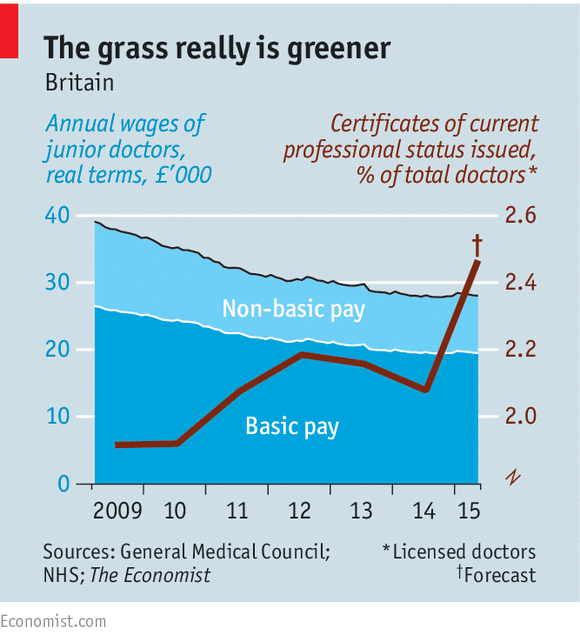
The Economist discusses the growing problem of unhappy UK physicians, "Some junior doctors consider a strike, while others pack their bags".

One possible "canary in the coal mine" indicator:
Like workers in any public service, doctors always say that morale has never been lower. But this time many are threatening to vote with their feet and practise overseas. Normally the General Medical Council, which regulates the profession, gets 20-25 requests a day for certificates of professional status, which make it easier to work abroad. From September 16th-18th it received a staggering 1,644 requests.


Monday, September 28, 2015

Hsieh Forbes Column on Bad Science Reporting

My latest Forbes piece is now out: "How To Protect Yourself Against Bad Science Reporting".

I discuss some sources of error and bias that lead to bad science reporting, including:
1) Many publicly reported science results are still provisional
2) Beware of sloppy statistics
3) Beware of the bias towards positive dramatic results
This latest piece is relatively non-political. But it is uncompromisingly pro-bacon.

For more details, read the full text of "How To Protect Yourself Against Bad Science Reporting".


Thursday, September 24, 2015

Preventing Medical Errors

Medical errors will happen. As Arlene Weintraub notes in Forbes, "Doctors Are Screwing Up Diagnoses -- And Patients Should Speak Out".

An excerpt:
The authors of the IOM report identify several possible methods for encouraging patients to get more involved in their diagnoses. First, they suggest that the act of diagnosis should no longer be treated as a solitary task that takes place mostly inside a single clinician’s brain—but rather as a team effort that includes patients and their families. To achieve that, the authors admit, the entire culture of the healthcare system needs to change to one that welcomes patient feedback...
I personally think that patient should obtain their own personal copies any important medical records (including radiology studies on CT, pathology reports, etc.) in case they wish to review them at home or in consultation with an independent physician.

And overall, patients should treat physicians as advisors -- but not infallible authorities.

Tuesday, September 22, 2015

Adalja on Pyrimethamine and The Market

Dr. Amesh Adalja discusses "Pyrimethamine and the Market".  An excerpt:
While I have no understanding of how the new price was determined, it will eventually have to withstand the scrutiny of the market. If the price is set higher than the market will bear, because it is no longer under patent, other manufacturers will enter the market lowering prices. Ideally this would happen near instantaneously but, because of legislative barriers to entry, which include a multi-step approval process, it will take some time. Better alternatives to the current regimen may also appear in time as well.

Overall, however, infectious disease products have become less attractive to pharmaceutical companies and this, at root, is why we are left with just one manufacturer for many important non-patented products. The disincentives to enter this market are myriad and the ultimate answer to this scenario is not more intervention but to remove artificial barriers to entry, inviting the appearance of competitors in the market...

Monday, September 21, 2015

Speed Bumps And Appendicitis

From the British Medical Journal, "Pain over speed bumps in diagnosis of acute appendicitis: diagnostic accuracy study":
Our results confirm that an increase in pain while travelling over speed bumps is associated with an increased likelihood of acute appendicitis. Absence of pain over speed bumps is associated with a significantly decreased likelihood of appendicitis. Although the specificity was relatively low, as a diagnostic variable pain over speed bumps compared favourably with other features commonly used in diagnostic assessment, with a better sensitivity and negative likelihood ratio than all other features assessed.

Moreover, some patients who were “speed bump positive” but did not have appendicitis had other important abdominal diagnoses, such as a ruptured ovarian cyst, diverticulitis, or pelvic inflammatory disease...
And some comparison data with other clinical signs (Table 2 in the article, click on image to see full-sized version):


Which indicates how poor a clinical exam is for diagnosing appendicitis.  And why the CT scanner has made such an important difference.  (BMJ link via Slate.)

Wednesday, September 16, 2015

More Anti-MOC Backlash

Kurt Eichenwald at Newsweek has an update: "To the Barricades! The Doctor’s Revolt Against ABIM is Underway".

He discusses the growing backlash against the "Maintenance of Certification" (MOC) requirements by the American Board of Internal Medicine (ABIM). In theory, a private agency that certifies that doctors are keeping up on important clinical knowledge is good. But his series of articles on the ABIM's process shows serious problem with the specific methods chosen.

From the article:
Dr. Jones can’t manage his practice, care for his family and study for the certification exams administered by the American Board of Internal Medicine. The tests purportedly insure doctors’ competence, but, like many physicians, Dr. Jones says the questions often have nothing to with what he sees in his practice and are little more than a game of medical Trivial Pursuit. Dr. Jones can’t afford the thousands of dollars for study guides and classes to learn obscure, often irrelevant information, and has no time to review the material every night for months. He failed the test, so his hospital will no longer allow him to admit patients because he couldn’t answer questions about diseases he will never encounter....

This medical protection racket has made millionaires of ABIM top officers, financed a ritzy condominium, limousines and first-class travel, all while sucking huge sums of cash out of the health care system. But now, after decades of unchecked rule by ABIM, cracks are appearing in the organization’s facade of power. Thousands of doctors began a widespread revolt months ago and, in the last few weeks, evidence that their efforts are succeeding has started rolling in...

[A recent study in the Annals of Internal Medicine] concluded that internists incur an average of $23,607 in MOC costs over 10 years—with doctors who specialize in cancers and blood diseases out $40,495. All told, the study concluded, MOC will suck $5.7 billion out of the health care system over 10 years, including $5.1 billion in time costs (resulting from 32.7 million physician-hours spent on MOC) and $561 million in testing costs. And remember—all that time and expense is for a program that has not been proven to accomplish anything.
The article also describes how other specialties (such as the anesthesiologists certification board) are adopting other methods to ensure physician quality through tests and quizzes that are more relevant to clinical practice.

Let's hope the ABIM learns from their example.

And kudos to Kurt Eichenwald for continuing to report on this developing issue.

(Link via Dr. Megan Edison and Dr. Matthew Bowdish.)


Thursday, September 10, 2015

Quick Links: Anti-MOC Backlash, Google, Apple

The Washington Post reports how anti-MOC (Maintenance of Certification) forces are gaining momentum, "Doctors' group will scrap 10-year re-certification exam":
The professional group that represents anesthesiologists will become the first medical board to scrap a widely criticized test that most physicians take every 10 years to demonstrate that they are up to date in their specialties, officials said Wednesday.
(For more background on the MOC controversy, see these earlier Newsweek pieces "The Ugly Civil War in American Medicine" and "A Certified Medical Controversy".)

Time magazine discusses the new Google health initiative in "Here's What 6 Doctors Really Think of Dr. Google". Personally, I think this will a tremendous value for patients and doctors in the long run.

The new Apple iPad Pro could help physicians better communicate important anatomy concepts to patients.  The discussion of medical applications starts at 42:00 in this video.  (Link via Ari Armstrong.)


Tuesday, September 1, 2015

Market for "Perfect Poop"

From CNN: "One man's poop is another's medicine".

Donors who qualify can earn $40 per sample of "perfect poop", to be used for fecal transplantation to treat patients with C. difficile infection:
To donate, Eric had to pass a 109-point clinical assessment. There is a laundry list of factors that would disqualify a donor: obesity, illicit drug use, antibiotic use, travel to regions with high risk of contracting diseases, even recent tattoos. His stools and blood also had to clear a battery of laboratory screenings to make sure he didn't have any infections. 

After all that screening, only 3% of prospective donors are healthy enough to give. "I had no idea," he says about his poop. "It turns out that it's fairly close to perfect."

And that, unlike most people's poop, makes Eric's worth money. OpenBiome pays its 22 active donors $40 per sample. They're encouraged to donate often, every day if they can. Eric has earned about $1,000.
Prospective donors are told, "It's easier to get into MIT and Harvard than it is to get enrolled as one of our donors."

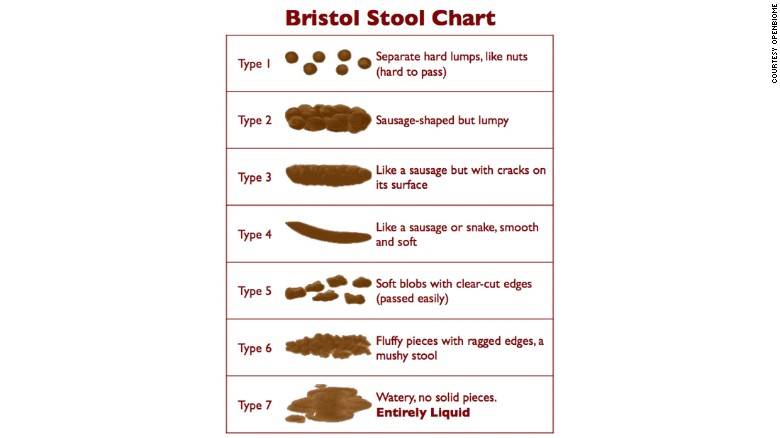
The poop also has to have the acceptable texture, either types 3, 4, or 5, on the Bristol Stool Chart:

Monday, August 31, 2015

Hsieh Forbes Column: The Positive Value of Negative Drug Trials

My latest Forbes piece is now out: "The Positive Value of Negative Drug Trials".

I discuss the unfortunate bias against publishing "negative" scientific results that show a drug doesn't have much clinical benefit, and why it's in the self-interest of drug companies to still report these.

In particular, I highlighted two interesting facts:
1) Most drug trial results are still not being reported to a central registry.

2) Negative results funded by private industry (e.g., pharmaceutical companies) are more likely to be reported than from government-funded research.
Fortunately, free market incentives are driving more drug companies towards full disclosure of both positive and negative study results -- which will benefit patients.

For more details, read the full text of "The Positive Value of Negative Drug Trials".


("Fluoxetine 20 mg capsules" by Tom Varco - Own work. Licensed under CC BY-SA 3.0 via Commons; source: Wikipedia.)

Monday, August 24, 2015

New Push To Regulate Personal Trainers

An interesting (but not very surprising) consequence of ObamaCare -- a new push to regulate personal trainers. This is gaining traction in the District of Columbia, but expected to spread soon to all 50 states as well.

From the 8/23/2015 Washington Post article, "In the nation’s capital, a new business to regulate: D.C.’s personal trainers":
The new regulations, being written by and for the nation’s capital city, will create a registry of all personal trainers in the District only. But they are expected to become a model that winners and losers in the fight believe will be replicated elsewhere.

The credit — or blame — for the newfound urgency can be traced in part to President Obama’s Affordable Care Act. A variety of workplace wellness programs and preventive health-care initiatives called for in the law could soon translate into rivers of billable hours for those with credentials to keep American waistlines in check.

And that means the race is on to be eligible for those credentials, which could eventually lead to the ability to bill insurance companies for services, much like such professionals as dieticians and physical therapists. With billions of dollars potentially at stake, lawyers and lobbyists are engaged in a no-holds-barred fight to shape the nation’s first-ever rules over who has the right to tell someone else how to exercise.
Personally, I find the idea of an agency deciding "who has the right to tell someone how to exercise" to be deeply disturbing.

The article also discusses some of the controversy within the CrossFit community. (I don't do CrossFit, but this part might be interesting to my friends who do.)
Friday, August 21, 2015

Dinosaurs Are Dangerous!

Today's not-an-Onion story, "The day I removed a toy dinosaur from a woman's vagina".

There are very few jobs in which one gets paid to say things like, "I don’t advise inserting children’s toys during sexual activity, however if you do choose to masturbate with a toy dinosaur, I recommend buying your own, and perhaps putting it in a condom, or tying a leash to its foot."


Wednesday, August 19, 2015

"Never Events" and Unintended Consequences

Doctors (like all people) respond to incentives. Here's one "unintended consequence" of the policy of "never events", as explained by orthopedic surgeon Dr. Thomas Guastavina:

"The sad story of how “never events” prevent obese patients from getting new hips"

Monday, August 17, 2015

Uber For Health Care

WSJ: "Startups Vie to Build an Uber for Health Care".

There are some interesting business models in play:
Heal is one of several startups putting a high-tech spin on old-fashioned house calls—or “in-person visits,” since they can take place anywhere. The services provide a range of nonemergency medical care—from giving flu shots to treating strep throats and stitching lacerations—much like a mobile urgent-care clinic.

The companies use slightly different models. Pager, in New York City, dispatches doctors or nurse practitioners via Uber, for $200. Heal, in Los Angeles, San Francisco and Orange County, Calif., promises to “get a doctor to your sofa in under an hour” for $99. (A medical assistant goes along to do the driving and parking.)

RetraceHealth, in Minneapolis, has a nurse practitioner consult with patients via video (for $50), and only comes to their homes if hands-on care like a throat swab or blood draw is necessary (for $150)...

Most of the services don’t accept insurance, but they say patients can pay with health savings accounts or submit out-of-network claims. 
The article also notes that for some customers, it's cheaper to pay for this at-home service than to take time off from work to go to the doctor's office.

It's also a win-win for participating doctors:
Such ventures are fueled by a confluence of trends, including growing interest in the so-called sharing economy, where technology connects providers with excess capacity and consumers who want on-demand services. Many doctors and nurses who work for hospitals are eager for extra work in their off-hours, the companies say. The services carry malpractice insurance, but say overall low overhead keeps prices down.

And thanks to the boom in mobile-medical technology, providers can carry key equipment with them, from portable blood analyzers to hand-held ultrasounds.
I just hope the government doesn't impose onerous regulatory burdens on this growing sector.


Tuesday, August 11, 2015

Catron Takes Down Trump On Health Care

In his latest American Spectator piece, David Catron does a thorough take-down of Donald Trump on health care policy: "Trump Is No Friend of Free Market Health Care".

Here is the opening:
Most of Donald Trump’s public statements include the rote declaration that Obamacare is a disaster. This is true, of course, but it doesn’t tell us anything new. It’s only when he starts elaborating on his objections that one gets a sense of what he believes, and he doesn’t talk like a friend of the free market. During last week’s Republican debate, for example, he was asked about his past praise of single-payer health care and replied, “As far as single-payer, it works in Canada, works incredibly well in Scotland.” This answer was both antithetical to free-market thinking and profoundly ignorant...

For more details, read the full text of  "Trump Is No Friend of Free Market Health Care".

Monday, August 10, 2015

Hsieh Forbes Column: Free Speech 1, FDA 0

My latest Forbes column is now out: "Free Speech 1, FDA 0".

I discuss a breaking update to my earlier Forbes piece on drug company Amarin's fight to engage in free speech in the form of off-label marketing of one of its products.

Basically, Amarin wanted to give truthful medical information to doctors which would allow them to more effectively use one of their drugs in a way that was legal, but not FDA-approved. The FDA forbade Amarin from engaging in such speech, and Amarin sued the FDA.

This past Friday, Amarin won an important legal victory in federal court. Judge Paul Engelmayer came down firmly on the side of free speech.

For more details see the full text of, "Free Speech 1, FDA 0".

(Earlier Forbes piece, "Drug Company Amarin Stands Up For Free Speech Against FDA", 5/8/2015.)

Update: Related commentary from Alex Tabarrok, "FDA Loses Another Free Speech Case"

Monday, August 3, 2015

UK Health Coverage

From EP Monthly:

"Man in Great Britain mugged, had his bicycle stolen, and had his leg broken in the process. He called emergency services, but was told that his injury 'wasn’t serious enough' to send an ambulance. Three police officers gave him a ride home where he had to book an Uber ride to get him to the hospital. Good thing he had medical 'insurance,' though."

Wednesday, July 29, 2015

Hsieh Forbes Column: Genuine Charity Requires Freedom

My latest Forbes column is now up: "Genuine Charity Requires Freedom".

I discuss the case of the amazingly generous man James Harrison, whose voluntary charity has helped save the lives of 2 million Australian babies. In Harrison's case, he literally gave of himself to help others in the form of over 1,100 voluntary blood donations.

I then discuss the nature of charity, why it requires freedom, and how compulsory "giving" destroy the morality of charity.

For more details, read the full text of "Genuine Charity Requires Freedom".


Tuesday, July 28, 2015

Hsieh PJM Column: "In Praise Of The Market Economy"

PJ Media has posted my latest short column, "In Praise of the Market Economy".

One of my take-home points is that the prosperity created by the modern market economy creates both material and spiritual freedom unimaginable to our ancestors of 200 years ago.

Friday, July 24, 2015

Unintended Consequences Of Grading Doctors

Dr. Sandeep Jauhar has a nice piece in the 7/22/2015 New York Times, "Giving Doctors Grades".

He discusses some of the negative unintended consequences of "report cards" that supposedly rate a surgeon's quality based on patient mortality and complication outcome data.  In essence, they discouraged surgeons from taking on the tougher cases and instead created a perverse incentive for them to "cherry pick" only the healthiest patients.

He cited experience from New York state, which has used such report cards since the 1990s:
They often penalized surgeons, like the senior surgeon at my hospital, who were aggressive about treating very sick patients and thus incurred higher mortality rates. When the statistics were publicized, some talented surgeons with higher-than-expected mortality statistics lost their operating privileges, while others, whose risk aversion had earned them lower-than-predicted rates, used the report cards to promote their services in advertisements.

This was an insult that the senior surgeon at my hospital could no longer countenance. “The so-called best surgeons are only doing the most straightforward cases,” he said disdainfully. Research since then has largely supported his claim...
And:
Surgical report cards are a classic example of how a well-meaning program in medicine can have unintended consequences. Of course, formulas have been developed to try to adjust for the difficulty of surgical cases and level the playing field. For example, a patient undergoing coronary bypass surgery who has no other significant diseases has an average mortality risk of about 1 percent. If the patient also has severe kidney dysfunction and emphysema, the risk of death increases to 10 percent or more. However, many surgeons believe that such formulas still underestimate surgical risk and do not properly account for intangible factors, such as patient frailty.

The best surgeons tend to operate at teaching hospitals, where the patients are the most challenging, but you wouldn’t know it from mortality statistics. It’s like high school students’ being penalized for taking Advanced Placement courses. College admissions officers are supposed to adjust grade point averages for difficulty of coursework, but as with surgical report cards, the formulas are far from perfect.

The problem is compounded by the small number of operations — no more than 100 per year — that a typical cardiac surgeon performs. Basic statistics tell us that the “true” mortality rate of a surgeon is not what you measure after a small number of operations. The smaller the sample, the greater the deviation from the true average.
It's not that quality metrics are completely useless. But they can be dangerously misleading. And they can create perverse incentives that harm both patients and physicians. (Via H.R.)

Wednesday, July 22, 2015

Dropout Doctors

An interesting new article discusses, "Dropout Docs: Bay Area Doctors Quit Medicine to Work for Digital Health Startups"

One quote from the article:
Tech culture is very appealing when juxtaposed against the hierarchy and myriad hoops to be jumped through in clinical medicine.
Another quote:
Many of the dropout docs expressed a desire to improve the doctor-patient experience. In interviews with KQED, several said they spent very little time administering care during medical school, and they felt that patients were too often kept out of the loop.

A recent study found that doctors-in-training spend an average of just eight minutes with each patient. This is a drastic decrease from previous generations and is linked to more record-keeping requirements and restricted on-duty hours.
If young physicians find entrepreneurship more rewarding than clinical medicine, perhaps those who are setting the rules governing clinical medicine need to re-examine their policies. Until then, med school graduates should pursue whatever careers that they find the most professionally and personally satisfying.


Tuesday, July 14, 2015

The Power Of "I Don't Know"

From John Tamny at Forbes: "'I Don't Know': The Ideal Libertarian And Conservative Response To Obamacare's Failings".

It's important to combat the notion of central planning with freedom, not merely an alternative version of central planning.  By definition, freedom can yield new solutions not anticipated by anyone ahead of time.

Tuesday, July 7, 2015

Hsieh Quoted on Guns And Public Health In US News & World Report

Today's US News & World Report had a nice piece on the debate over whether gun violence should be considered a "public health" issue, and they quoted me as explaining why it should not be:
But some medical providers say doctors should stay out of the debate. Dr. Paul Hsieh, co-founder of Freedom and Individual Rights in Medicine, says he views gun crime and violence as predominantly about criminal justice and individual rights.

"I remain deeply skeptical of any attempts to frame important public policy debates as also 'public health' issues, especially when it concerns a long-running political controversy," says Hsieh, who writes on health care policy from a free-market perspective for Forbes.com. "Pretty much any public policy issue will ultimately have some sort of effects on the lives and well-being of Americans – but that doesn't mean they should all be considered topics of 'public health.'"

People are concerned that sharing information about gun ownership with doctors may not remain private, he wrote in a Forbes piece. "In short, I believe this undermines the critical doctor-patient trust necessary for the good practice of medicine," he says.
I thought they characterized my views fairly, and I was pleasantly surprised to see that they even turned the quote into one of the lead article graphics!


Monday, June 29, 2015

Hsieh Forbes Column: 3 Good Things In Health Care Innovation

My latest Forbes column is now up, "Three Good Things In Health Care Innovation".

I highlight some under-appreciated good developments in health care, centered around the theme that innovations in processes may be less flashy than innovations in technology — but can still save lives.

In particular, I discuss the following:
1) Improvements in cardiac care
2) Improvements in matching kidney transplant donors with recipients
3) Protecting the freedom of direct pay doctors
Our current system is very mixed, with both good and bad elements. Today, I wanted to focus on some of the good elements.

For more details on each, read the full text of "Three Good Things In Health Care Innovation".

Friday, June 26, 2015

Cowen On King

Naturally, there has been an enormous amount of commentary on the SCOTUS ruling yesterday salvaging the ObamaCare subsidies.

The quote I liked the best comes from economist Tyler Cowen:
I have not been a fan of Obamacare, which I consider to be a highly inefficient form of wealth insurance. Nonetheless, had this decision gone the other way at this point we would have ended up with something worse, or ended back at “Obamacare as know it,” but only after a lot of political stupidity and also painful media coverage. So on net I take this to be good news, although arguably it is bad news that it is good news.

Thursday, June 25, 2015

Bad Anesthesiologist Busted By Patient Recording

A patient planned to use his smartphone to record his post-colonoscopy home instructions. When he listend afterwards, he found that he inadvertently recorded the whole procedure, including while he was unconscious during sedation.

To his dismay, this included extremely unprofessional discussions:
But as soon as he pressed play on his way home, he was shocked out of his anesthesia-induced stupor: He found that he had recorded the entire examination and that the surgical team had mocked and insulted him as soon as he drifted off to sleep.

In addition to their vicious commentary, the doctors discussed avoiding the man after the colonoscopy, instructing an assistant to lie to him, and then placed a false diagnosis on his chart.
The patient sued and was awarded total damages of $500,000.  For more details read the full piece, "Anesthesiologist trashes sedated patient — and it ends up costing her" (Washington Post, 6/23/2015).

On a related note, I do think that patients should consider recording their conversations with doctors in an open fashion, with mutual consent.  I discuss this in my recent Forbes piece, "Why You Should Record Your Doctor Visits" (Forbes, 2/16/2015.)

(Pictured below, Dr. Tiffany Ingham, the anesthesiologist in question.  Image from Washington Post article cited above.)

Tuesday, June 23, 2015

Coverage Vs Care in California

Today's "coverage does not equal care" story, this time from California:

"Getting A Medi-Cal Card Doesn’t Always Guarantee Health Care" (Kaiser Health News, 6/23/2015)

(Unfortunately, the article promotes the idea that the problem can be solved by more regulatory intervention.  I suspect that will only make things worse.)

Wednesday, June 17, 2015

Summit At The Summit, July 20-26, 2015

The "Let My Doctor Practice" medical advocacy group will be hosting a conference July 20-26, 2015, here in Colorado.

 It is entitled, "Summit at the Summit: Conference and Interactive Webcast A National Grand Rounds on the State of American Medicine".

They will have both a live in-person conference as well as a webcast, so you don't have to travel to Colorado to see some of the sessions.

I can't attend due to important personal obligations, but the lineup looks great!


Tuesday, June 9, 2015

Upcoming Talk By Paul Hsieh: "How Do You Know If Your Doctor Is Any Good?"

Save the date -- June 22, 2015!

I'm pleased to announce that I'll be giving a dinner talk at Liberty On The Rocks - Flatirons on 6/22/2015. More details will be forthcoming at their website and their Facebook page, but here's the basic info.

Title: "How Do You Know If Your Doctor Is Any Good?" by Paul Hsieh, MD

Description:

How do you know if your doctor is giving you the best medical advice possible? Or offering the right care for your condition? Most patients lack the professional training to judge a doctor's qualifications, so they must rely on various proxy measures, such as referrals from other doctors, recommendations from friends, government ratings, and online reviews. We'll discuss some of the strengths and weaknesses of these measures as well as practical steps patients can take to ensure they're receiving the best care possible.

Speaker bio:


Paul Hsieh, MD, is a physician in private practice in the south Denver metro area. He received his MD from University of Michigan, and completed residency training at Washington University School of Medicine with additional fellowship training at the Cedars-Sinai Medical Center in Los Angeles. He writes extensively about health care policy from a free market perspective for Forbes and PJ Media.


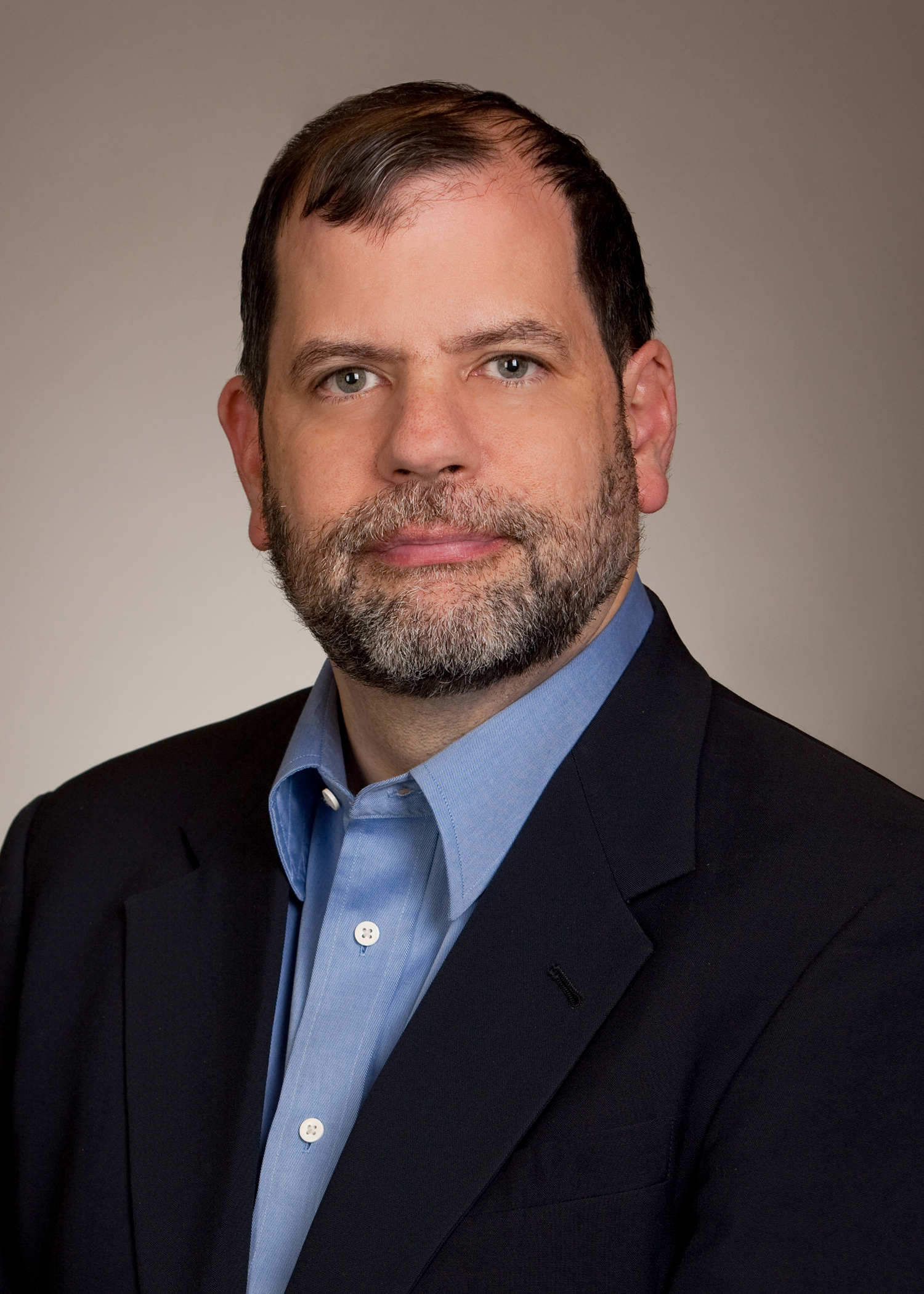
Spoiler: You probably don't want this guy operating on you!

Monday, June 8, 2015

Doctors Afraid To Criticize ObamaCare?

This IBD editorial discusses how, "Doctors' Criticism Of ObamaCare Silenced By ACA Bureaucrats".

I've personally not felt any professional pressure to refrain from expressing political opinions online. But I do know some doctors who have. Which is why I gladly support those physicians who still have the guts and integrity to speak out on this issue. 

Thursday, June 4, 2015

More Health IT Costs

Politico reports: "Health care spending billions to protect the records it spent billions to install".

From the article:
The hacking of the health records of as many as 1 in 3 Americans has awoken the health care industry to an unpleasant reality: After spending billions to install computerized documents in hospitals and networks, it now must spend billions more to make them secure...
Yet another "unintended consequence" of government-mandated electronic health records.

Monday, June 1, 2015

Hsieh Forbes Column: Would You Trust A Computer To Knock You Out?

I posted a quick weekend piece at Forbes, "Would You Trust A Computer To Knock You Out?"

This is loosely based on a talk I just gave at ATLOSCon 2015, "I, For One, Welcome Our New Robotic Overlords".

I discuss the rise of "smart" systems to augment (and potentially replace) human physicians. And why I welcome them.

And thanks to Hanah Volokh for letting me quote her!

Wednesday, May 27, 2015

Maine Doctors Choosing Direct Pay Model

From Maine Public Radio: "Awash in Paperwork, Maine Doctors Abandon Conventional Treatment Model".

More real-world experience shows how direct-pay medicine benefits both patients and physicians alike.  From the piece:
[Family physician Dr. Catherine] Krouse says the way health care has evolved, patients often come second to the other demands on doctors:  Filling out reimbursement forms. Calling insurance companies to battle for claims. Reviewing and signing off on stacks of patient paperwork.

"You just end up getting drained and drained and drained," Krouse says. "And then when your cup is completely empty, then you just get guarded and angry. And then you put up walls, and that really creates barriers."

So Krouse decided to set up a direct primary care practice. Earlier this month she opened Lotus Family Practice in Falmouth. She doesn't accept insurance. Instead, she charges patients a monthly membership fee. "So it's very direct. It's just patients and doctors. There's no one else in between."
Membership is $60 a month for adults, $20 for kids. It covers an unlimited number of visits, which last about 45 minutes. Patients can also call or text Krouse any time they want. She also provides generic drugs at wholesale cost. Those savings alone, she says, can cover the cost of membership. "Pennies. They cost pennies."
The article goes into more detail on how this helps physicians spend more time with patients and get to the root of their health problems.  Plus patients need fewer referrals to specialists.

In summary:
The direct primary care model, [Krouse] says, allows her to move beyond just treating illness to focusing on health, well being, and the individual patient. And that's the kind of doctor that Krouse has always wanted to be.
(Article link via Dr. Megan Edison and Dr. Matthew Bowdish.)  


Wednesday, May 13, 2015

Unethical Doctors

There are some jaw-dropping stories here: "Doctors of Reddit, what is the most unethical thing you have done or you have heard of a fellow doctor doing involving a patient?"

For those following health care policy, this anecdote is relevant:
I briefly worked at the front desk clerk for an ER at a local hospital. The rule was the anyone that came in complaining of chest pains had to be back and on a machine within 10 minutes of arrival. Once I entered their name into the system a clock started. So I was told not to enter their name until they had already been taken back to essentially make our numbers look better and make it appear as though they were receiving care within the prescribed 10 minutes.

Edit: People complaining of chest pains were typically brought back quickly, just not always within the 10 minute guideline, although generally faster than anyone else. This mostly seemed to be just about producing better stats. Although keeping it off the system gave them the ability to delay.

"There are three kinda lies in the world; lies, damned lies, and statistics."
 (Via White Coat blog.)

Friday, May 8, 2015

Hsieh Forbes Column: FDA Vs. Free Speech

My latest Forbes column is now up: "Drug Company Amarin Stands Up For Free Speech Against FDA".

Here is the opening:
Even as Americans heatedly argue the issue of free speech with respect to cartoon criticisms of Islam, the small drug company Amarin is striking a quieter blow for its free speech rights against the Food and Drug Adminstration (FDA).

The key issue is whether drug companies can tell doctors truthful information about their products that pertains to “off-label” uses (i.e., for applications not already explicitly approved by the FDA.)
Of course, drug companies should not be allowed to disseminate false or misleading information about their products.  That can and should be punished as fraud.

But both doctors and patients benefit when drug companies are allowed to publish truthful information.

Bonus infographic on the onerous FDA approval process!


Friday, May 1, 2015

Light Posting

Posting may be lighter than usual for a while, due to external circumstances.

Wednesday, April 29, 2015

Cleveland Clinic Empathy Video

This is change of pace from the health policy posting.

But I wanted to share this moving short video from the Cleveland Clinic on the hundreds of behind-the-scenes stories every day in the hospital. (I recently saw it a medical conference I attended earlier this month.)

Thank you.

Monday, April 27, 2015

Hsieh Forbes Column: Perverse Incentives and VA Health Scandals

My latest Forbes column is now up: "Perverse Incentives and VA Health Scandals".

I discuss the perverse incentives underlying the numerous VA health scandal. Too many on the political Left (such as New York Times columnist Paul Krugman) are quick to condemn perverse incentives in the private health system, while failing to mention similar (or worse) perverse incentives in government-run health systems.

Incentives matter.


Tuesday, April 14, 2015

Doc Fix Critiques

Three recent negative critiques of the Medicare "Doc Fix":

"House 'Doc Fix' Bill Makes Things Worse, Medicare Analysis Finds" (Chris Jacobs, Wall Street Journal)

"Medicare Doc Fix Bill Is IPAB-Lite" (David Hogberg, Daily Caller)

"Medicare fix needs fixing" (Theodore Marmor, Philadelphia Inquirer)

In particular, the Hogberg piece notes the perverse incentives that will pressure doctors skimp on care to patients as part of cost containment.  But all three are worth reading.


Monday, April 13, 2015

Perry: Lessons From Cosmetic Surgery Markets

Economist Mark Perry has a written a nice review, "What economic lessons about health care can we learn from the market for cosmetic procedures?"

In general, these services are not covered by insurance but rather paid for by the consumers themselves.  Hence, consumers have a keen interest in finding the best value for their medical dollar.

As a result, prices have essentially stayed stable (or decreased significantly) after adjusting for inflation.  In some case, the prices have gone down in nominal dollars as well!

As Perry notes:
Most importantly, none of the ten cosmetic procedures in the table above have increased in price by anywhere close to the 88.5% increase in medical care services since 1998.  [Emphasis his.]
Perry summarizes:
The competitive market for cosmetic procedures operates differently than the traditional market for health care in important and significant ways. Cosmetic procedures, unlike most medical services, are not usually covered by insurance. Patients paying out-of-pocket for cosmetic procedures are cost-conscious, and have strong incentives to shop around and compare prices at the dozens of competing providers in any large city.

Because of that market competition, the prices of almost all cosmetic procedures have fallen in real terms since 1998, and some non-surgical procedures have even fallen in nominal dollars before adjusting for price changes. In all cases, cosmetic procedures have increased in price by less than the 88.5% increase in the price of medical care services between 1998 and 2014.
In other words, the problem we've seen of skyrocketing prices in the traditional medical market can't be blamed on "fee for service". Rather, the issue is the 3rd-party payor system, a point also made by others such as Dr. Richard Amerling in his recent Wall Street Journal piece.

Proper treatment of a problem requires a proper diagnosis, in public policy as well as in medicine.  Perry's work is an important pointer in the right direction.


Wednesday, April 8, 2015

More MOC Controversy

Kurt Eichenwald of Newsweek has a new article on the controversy surrounding the American Board of Internal Medicine (ABIM): "A Certified Medical Controversy".

Here's the opening:
My wife is an internist. My brother is a pediatrician at a major academic institution. So was my father. My best friend is a surgeon. I regularly see an internist for my medical care, and I like her very much. I also should mention that this article is an opinion column. 

And it is my opinion that the American Board of Internal Medicine (ABIM) has hidden managerial incompetence for years while its officers showered themselves with cash despite their financial ineptitude and the untold damage they have inflicted on the health care system...
I applaud Eichenwald for asking some hard questions about the ABIM.

See also his earlier related story: "The Ugly Civil War in American Medicine". 

(Via Matthew Bowdish.)

Tuesday, March 31, 2015

Amerling Vs. Ginsburg on Fee For Service

The Wall Street Journal recently published a nice pair of columns on both sides of the issue, "Should the U.S. Move Away From Fee-for-Service Medicine?"

The anti-fee-for-service side was taken by Paul Ginsburg.  The pro-FFS side was taken by Richarad Amerling.

I basically agree with Dr. Amerling and I want to quote a couple of excerpts from his piece:
The real cause is the institution and growth of direct third-party payments. Inflation in health care was trivial until the mid-1960s, when Medicare and Medicaid were thrust into existence. The other big driver is the morphing of health insurance into a prepayment model, where even routine, low-cost care is covered. When neither the consumer nor the provider “feels” the cost of the service offered, it promotes overuse of medical services and high levels of spending. Government data show that 48% of health dollars were “out of pocket” in 1960. By 2008, this was down to 12%...

In other professions that feature fee for service but where third-party payments play a much smaller role, such as in law, dentistry or veterinary medicine, there is little excessive price inflation. Similarly, in areas of medicine outside the third-party-payment system, such as cosmetic surgery, Lasik eye surgery, and direct pay practices, prices have actually declined over time.

It is impossible to eliminate self-interest, which is embedded in human nature. But if some doctors and hospitals over time get away with unnecessary tests or padding bills, it isn’t because of fee for service. It’s because the patients are shielded from the impact by third-party payments.

Fee for service directly aligns payments with care, which is what most patients want, especially when facing serious illness. It’s incentive-based and increases the likelihood of quality care in a timely manner...
But I highly recommend reading both sides of this debate, "Should the U.S. Move Away From Fee-for-Service Medicine?"

Here is the related video.


Monday, March 30, 2015

Hsieh Forbes Column: 18-Year-Olds Should Be Allowed to Smoke

My latest Forbes column discusses the latest debate over raising the legal age for smoking: "Smoking Is Bad, But 18-Year-Olds Should Be Allowed to Smoke".

In particular, any debate on this should include the following three questions:
1) Is it the government’s job to stop legal adults from making unhealthy life choices?

2) Is it right for the government to restrict the freedom of adults over 18, because others under 18 might be more tempted to smoke?

3) Whose body is it, anyways?
People don't always make the best choices for themselves.  But in a free society, they should be able to do so, provided they aren't violating the rights of others.


Wednesday, March 25, 2015

Bad Health Tech

The New York Times recently ran a surprisingly good article, "Why Health Care Tech Is Still So Bad".

From the article:
A friend of mine, a physician in his late 60s, recently described a visit to his primary care doctor. “I had seen him a few years ago and I liked him,” he told me. “But this time was different.” A computer had entered the exam room. “He asks me a question, and as soon as I begin to answer, his head is down in his laptop. Tap-tap-tap-tap-tap. He looks up at me to ask another question. As soon as I speak, again it’s tap-tap-tap-tap.”

“What did you do?” I asked.

“I found another doctor."
The NYT piece correctly describes how mandatory electronic medical records are putting a barrier between patients and physicians, impeding good medical care.

And even some of the intended "safety" features, such as electronic alerts for wrong prescriptions can cause cognitive overload.  If you're faced with thousands of beeps and alerts each month, your brain quickly starts ignoring them.  It's the electronic equivalent of "crying 'wolf'".

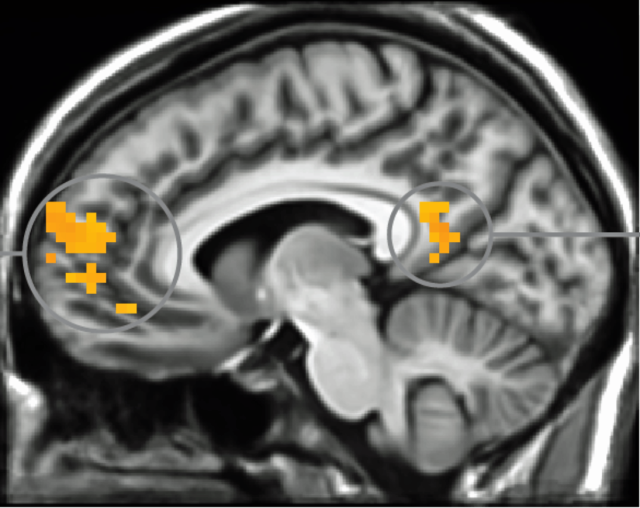
(A related article from the technology field noted how, "MRIs show our brains shutting down when we see security prompts".  I wouldn't be surprised if the same thing happened with physicians coping with never-ending electronic medical record alerts.)

I'm not opposed to technological improvement.  But I am opposed to government mandates ramming technology into hospitals and medical offices based on bureaucrats' preferences, not in response to the genuine needs of physicians.  I love my smartphone --  but I don't think the government should use financial carrots-and-sticks to force everyone to own one.  Nor should the government use financial carrots-and-sticks to force physicians to adopt unwanted (and potentially harmful) electronic medical record systems.

Related stories:
"Can You Trust What's In Your Electronic Medical Record?" (Forbes, 2/24/2014)
"The Eyes of Big Medicine: Electronic Medical Records" (PJ Media, 9/18/2013)

NYT link via Dr. Matthew Bowdish, who also commented:
It breaks my heart whenever a patient tells me that one of the reasons they love our practice is that we look at the patients rather than a computer screen. Little do they know that we already have electronic health records although are holding on full implementation. Not only has the current EHR paradigm almost destroyed our business, it also risks robbing us of our humanity in caring for patients. The promise of technology is huge and necessary. These govt-mandated, tools of Big Insurance are not.


Monday, March 23, 2015

Patients Secretly Recording Doctors

The 3/12/2015 edition of JAMA (Journal of the American Medical Association) discusses "Ethical Implications of Patients and Families Secretly Recording Conversations With Physicians".

I don't think patients should record their physicians without their consent. However, I do strongly favor such recordings when both sides agree, as discussed in my February 2015 Forbes column, "Why You Should Record Your Doctor Visits".

But I also recognize that many states allow such surreptitious recordings with only "one party" (patient) consent.  Hence, I also agree with the JAMA piece that physicians should probably start communicating as if their words were being permanently recorded by the patient.

Tuesday, March 17, 2015

3 Good Things About US Health Care

US health care isn't perfect by any means. But Dr. Suneel Dhand gives us some much-needed perspective in this piece, "You’re lucky to be a patient in America. Here are 3 reasons why."

The three key points include:

1) Getting to see your attending physician every day.

2) Patient empowerment to choose.

3) Putting energy into customer satisfaction and good service in hospitals.

Dr. Dhand discusses each in more detail. For more info, please read the full text of  "You’re lucky to be a patient in America. Here are 3 reasons why."


Friday, March 13, 2015

The Ugly Civil War in American Medicine

The battle over "Maintenance of Certification" (MOC) has finally hit the mainstream press in this informative Newsweek piece, "The Ugly Civil War in American Medicine".

Here is the opening to the article:
Are physicians in the United States getting dumber? That is what one of the most powerful medical boards is suggesting, according to its critics. And, depending on the answer, tens of millions of dollars funneled annually to this non-profit organization are at stake.

The provocative question is a rhetorical weapon in a bizarre war, one that could transform medicine for years. On one side is the American Board of Internal Medicine (ABIM), which certifies that doctors have met nationally recognized standards, and has been advocating for more testing of physicians. On the other side are tens of thousands of internists, cardiologists, anesthesiologists and the like who say the ABIM has forced them to do busywork that serves no purpose other than to fatten the board’s bloated coffers...
For more details, read the rest of "The Ugly Civil War in American Medicine".


Wednesday, March 11, 2015

Proposed Legal Protection For Direct Primary Care in Florida

From Florida, a good idea: "Doctors and nurses could charge patients a set fee and provide services in exchange for that price and not be afoul of the state’s insurance codes under a proposed committee bill unveiled by the House Innovations Subcommittee."

The state of Michigan passed a similar law a couple of months ago.

I hope this idea gains momentum!


Tuesday, March 10, 2015

A Radiologist's Day

As a radiologist, I really appreciated this comic "A Radiologist's Day".  You can click on the image below to see the full-sized version.

(And I bought the t-shirt at CafePress.)

Monday, March 9, 2015

McArdle on Economic Progress and Health Care

Megan McArdle has written a nice piece on economic progress over the past century, "It's Complicated. But Hopeful."

The whole piece is worth reading, as it helps put discussions of economics and standard of living in a good historical context.  But for this post, I wanted to quote from her discussion of how health care has become more "expensive":
In the 1950s, when the president of the United States had a heart attack, he got the absolute state of the art treatment from some of the top doctors in the country: blood thinners, painkillers, and bed rest.

Today, he would have had an array of scans and blood tests to diagnose his problem, and then his physicians would have been able to choose from an array of treatments—stents, coronary bypass, balloon angioplasty—to prevent future heart attacks. And thanks to epidemiology, public health campaigns, and an array of smoking cessation aids, he probably wouldn’t have had a four-pack-a-day cigarette habit, either.

1950s health care isn’t expensive; this same regimen would be a bargain at today’s prices. What’s expensive is things that didn’t exist in 1950. You can say that “health care” has gotten more expensive—or you can say that the declining cost of other things has allowed us to pour a lot more resources into exciting new health products that give us both longer and healthier lives...
For more examples of progress that we don't always fully appreciate, read the full text of "It's Complicated. But Hopeful."


Wednesday, March 4, 2015

Physician Shortage Update

From the Washington Post: "U.S. faces 90,000 doctor shortage by 2025, medical school association warns".

Here is the opening:
The United States faces a shortage of as many as 90,000 physicians by 2025, including a critical need for specialists to treat an aging population that will increasingly live with chronic disease, the association that represents medical schools and teaching hospitals reported Tuesday.

The nation's shortage of primary care physicians has received considerable attention in recent years, but the Association of American Medical Colleges report predicts that the greatest shortfall, on a percentage basis, will be in the demand for surgeons — especially those who treat diseases more common to older people, such as cancer...
The shortage did not originate with ObamaCare, but the ObamaCare health law will make the shortage worse in two ways.  First, there will be an influx of new patients without a corresponding increase in the number of doctors. Second, many doctors are already demoralized by the pressures of the new health law -- and as they retire, we may not see the same caliber of new physicians entering the medical profession.

Some of this shortage can be addressed by having patients see non-physicians (such as nurse practitioners or physician assistants). But although the NPs and PAs can handle many medical issues, they can't completely perform at the level as a full-fledged physician -- nor should we expect them to.

Unfortunately, patients will pay the price in terms of longer waits for care.


Tuesday, March 3, 2015

Catron On King-v.-Burwell

David Catron explains why "King v. Burwell Is Much Bigger Than Obamacare".

Here's the opening to his piece:
The Court will hear oral arguments this Wednesday in King v. Burwell. The petitioners in this case want the justices to rule that the Obama administration must abide by the provisions of PPACA that govern insurance subsidies. The text of that law, better known as Obamacare, requires that all subsidies must flow through exchanges established by the states. But due to the refusal of 36 states to set up such “marketplaces,” the Obama administration cobbled together federal exchanges in those states through which it is now issuing illegal subsidies.

In other words, the President conducts himself in a manner utterly inconsistent with republican principles and his constitutional oath. Obama obviously believes the law is what he says it is, a delusion evidently shared by his party and the press. He behaves as if he possesses the power to unilaterally change laws and create new ones merely because the opposition party actually opposes his agenda. Adams characterized such behavior as that of “a despot, bound by no law or limitation but his own will; it is a stretch of tyranny beyond absolute monarchy.”

This is, at its core, what King v. Burwell is about. It has nothing do with any “plot to kill health care,” as the New York Times recently put it. Nor does it involve a surreptitious conspiracy to reinvigorate the “states’ rights” movement, as it was described last week in Politico. It isn’t even an attack on Obamacare, though a ruling in favor of David M. King and his fellow plaintiffs would obviously have a profound effect on the future of the “reform” law. It is rather an attempt to prevent the President from doing further violence to the Constitution...
Or as he notes, "The Supreme Court is about to decide whether we are a nation of laws or men."

For more, read the full text of "King v. Burwell Is Much Bigger Than Obamacare".

Monday, March 2, 2015

"Right To Try" Proposed In Oregon

Another good step in the right direction:
Diego Morris said he’s alive today because he used experimental drugs to treat his cancer even though they weren’t approved by the FDA.

In 2012, Morris was diagnosed with osteosarcoma. But because the medicine needed to treat it was not approved in the US, he traveled to Europe with his mother to get it.

Now he’s cancer-free and he flew to Oregon to join Rep. Knute Buehler to support the Right To Try bill...
Click through to see related video.

CO passed a similar law in 2014.  (Via Christina Sandefur.)

Tuesday, February 24, 2015

Catron: Still Not Working

David Catron discusses the latest snafus with ObamaCare in his latest AmSpec piece, "No, Mr. President, Obamacare Isn’t Working".

A couple of excerpts:
Last week, the White House took to Twitter for purposes of publicizing its latest Obamacare enrollment blarney. Far more informative than the tweet’s fictitious sign-up numbers was the schmaltzy video to which it was linked. Staged in the Oval Office, this one-act farce features a simpering HHS Secretary briefing our Thespian in Chief, who then delivers the following soliloquy: “The Affordable Care Act is working. It’s working better than we anticipated. It’s certainly working a lot better than many of the critics talked about early on.” In Obama’s 27-word script, “working” appears three times. The President doth protest too much, methinks.
And:
Ask the folks who learned last Friday that Obama’s bureaucrats sent them erroneous tax information relating to PPACA. AP reports, “Officials said the government sent the wrong tax information to about 800,000 HealthCare.gov customers, and they’re asking those affected to delay filing their 2014 returns.” And, as with most government blunders, the price will be paid by those who can least afford it. Robert Pear points out in the New York Times, “[T]housands of lower-income Americans who qualified for subsidized insurance had hoped for tax refunds and now must wait for weeks to file their taxes.”
For more, read the full text of  "No, Mr. President, Obamacare Isn’t Working".