My latest Forbes column is now out, "People Confound Experts: Three Paradoxes Of Health And Human Behavior".
I discuss three counter-intuitive or paradoxical results from recent health policy research, in which patients don't respond in the way that experts might have predicted.
For example: If you have a serious heart problem, you might do better if the top cardiologists are out of town.
For more details, see the full piece, "People Confound Experts: Three Paradoxes Of Health And Human Behavior"!

The blog of Freedom and Individual Rights in Medicine (FIRM)
Monday, February 27, 2017
Monday, January 30, 2017
Hsieh Forbes Column: Health Freedom For Everyone, Not Just Women
My latest Forbes column is now out, "Health Freedom For Everyone, Not Just Women".
My basic theme is that free-market reforms (not government-run health care) will best protect our medical freedoms.
From the article:

My basic theme is that free-market reforms (not government-run health care) will best protect our medical freedoms.
From the article:
I support abortion rights and reproductive freedom rights. I love that many participants in the marches don’t want the government dictating which medical procedures women may or may not receive.For more details, see the full text of "Health Freedom For Everyone, Not Just Women".
I also hope that people recognize that government-run health care will inevitably mean government controlling which medical procedures patients may or may not receive. Whenever “somebody else” pays for your health care, inevitably “somebody else” will decide what health care you do (or do not) receive.


Tuesday, January 10, 2017
The Evolution Of Radiology
Dr. James Chang: "The evolution of radiology".
Yup, this seems about right! (Click on image to see full size version.)

Yup, this seems about right! (Click on image to see full size version.)

Thursday, December 29, 2016
Hsieh Forbes Column: No, The Government Should Not Provide Health Insurance For All Americans
My latest Forbes piece is now out, "No, The Government Should Not Provide Health Insurance For All Americans".
I discuss a proposal from conservative health policy analyst James Capretta in which he argues, "The GOP Should Provide Health Insurance for All Americans". And I propose some alternative free-market approaches that we can start implementing in 2017.
For more details, see the full text of "No, The Government Should Not Provide Health Insurance For All Americans".
And Happy New Year to all our supporters and subscribers!
I discuss a proposal from conservative health policy analyst James Capretta in which he argues, "The GOP Should Provide Health Insurance for All Americans". And I propose some alternative free-market approaches that we can start implementing in 2017.
For more details, see the full text of "No, The Government Should Not Provide Health Insurance For All Americans".
And Happy New Year to all our supporters and subscribers!
Monday, November 28, 2016
Hsieh Forbes Column: UK Vs US Aortic Aneurysm Deaths
My latest Forbes pieces is now out: "Patients With Aortic Aneurysms More Likely To Die In The UK Than The US".
I discuss a recent New England Journal of Medicine study which showed that if you have an abdominal aortic aneurysm (aka "AAA") in the US vs the UK, the UK patients have to wait longer for surgery, and the aneurysms don't get repaired until they are larger (and more at risk of rupture.)
The researchers conclude: "Rates of aneurysm rupture and aneurysm-related death were significantly higher in England than in the United States".
I also cover three natural follow-up questions:
1) Were US surgeons jeopardizing their patients by operating more aggressively than UK surgeons?
2) Did the UK nationalized health system contribute to the lower rates of appropriate surgery in the UK?
3) Will US government policies incentivize American surgeons towards more — or less — appropriate treatments?
For more details, read the full text of "Patients With Aortic Aneurysms More Likely To Die In The UK Than The US".

I discuss a recent New England Journal of Medicine study which showed that if you have an abdominal aortic aneurysm (aka "AAA") in the US vs the UK, the UK patients have to wait longer for surgery, and the aneurysms don't get repaired until they are larger (and more at risk of rupture.)
The researchers conclude: "Rates of aneurysm rupture and aneurysm-related death were significantly higher in England than in the United States".
I also cover three natural follow-up questions:
1) Were US surgeons jeopardizing their patients by operating more aggressively than UK surgeons?
2) Did the UK nationalized health system contribute to the lower rates of appropriate surgery in the UK?
3) Will US government policies incentivize American surgeons towards more — or less — appropriate treatments?
For more details, read the full text of "Patients With Aortic Aneurysms More Likely To Die In The UK Than The US".
Tuesday, October 25, 2016
Hsieh Forbes Column: How Your Doctor's Politics Affects Your Health Care
My latest Forbes piece is now out, "How Your Doctor's Politics Affects Your Health Care -- And What You Can Do About It".
I discuss the latest research indicating the doctors' own personal political biases can affect the advice they give patients in three areas -- abortion, gun ownership, and marijuana use. And strategies that patients and doctors can adopt to minimize inappropriate physician bias in the exam room.

I discuss the latest research indicating the doctors' own personal political biases can affect the advice they give patients in three areas -- abortion, gun ownership, and marijuana use. And strategies that patients and doctors can adopt to minimize inappropriate physician bias in the exam room.
Friday, September 16, 2016
Hsieh Forbes Column: No, There's No 'Smoking Gun' in Clinton's Doctor Letter
I have a new short Forbes piece out now, discussing a couple of issues related to Hillary Clinton's health: "No, There's No 'Smoking Gun' in Clinton's Doctor Letter".
tldr; Clinton's opponents should concentrate on her bad public policy positions, not her medical record.
tldr; Clinton's opponents should concentrate on her bad public policy positions, not her medical record.
Monday, August 29, 2016
Hsieh Forbes Column: How Government Quality Guidelines Hurt Transplant Patients
My latest Forbes piece is now up: "How Government Quality Guidelines Hurt Transplant Patients".
I discuss how federal government "quality guidelines" created perverse incentives to deny medical care to the sickest patients.
In particular, many transplant centers started dropping the sickest patients from their transplant waiting lists in order to keep their success rates up. Plus many hospitals rejected less-than-perfect organs out of fear of harming their federal government score cards.
As transplant surgeon Dr. Adel Bozorgzadeh said:
For more details, read the full text of "How Government Quality Guidelines Hurt Transplant Patients".
(Related piece: "Doctor ‘Report Cards’ May Be Hazardous To Your Health.")
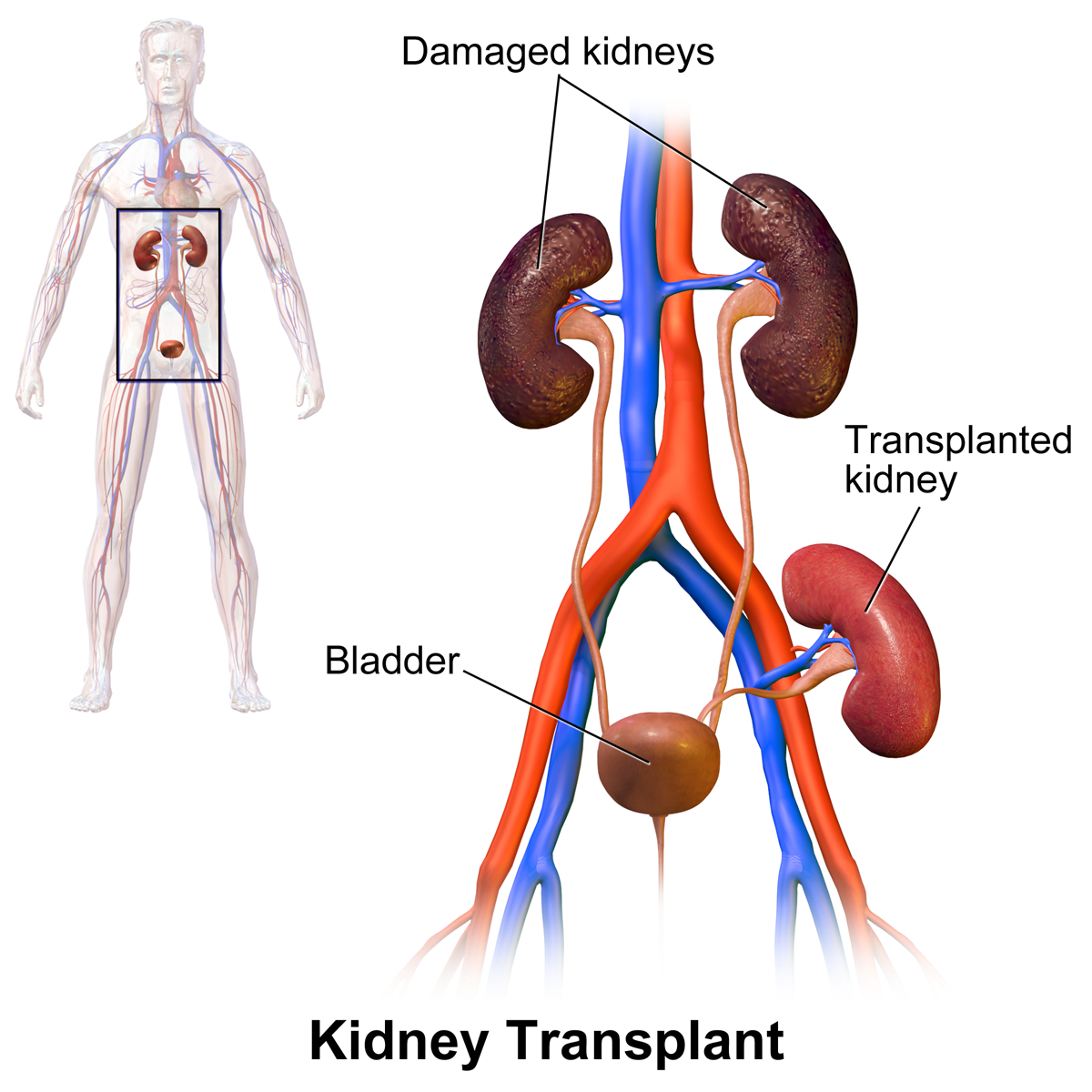
I discuss how federal government "quality guidelines" created perverse incentives to deny medical care to the sickest patients.
In particular, many transplant centers started dropping the sickest patients from their transplant waiting lists in order to keep their success rates up. Plus many hospitals rejected less-than-perfect organs out of fear of harming their federal government score cards.
As transplant surgeon Dr. Adel Bozorgzadeh said:
“If you have young guy who has a 100 percent chance of dying, but only a 30 percent chance of dying with a transplant, you would say, ‘What the hell, give the guy a chance,’” even if the operation might be risky, he said. “But if I make an argument like that, I will be under pressure from all these other stakeholders who would penalize me.”The federal guidelines created a conflict of interest for hospitals, caught between their government paymasters and the patients they were supposed to care for.
For more details, read the full text of "How Government Quality Guidelines Hurt Transplant Patients".
(Related piece: "Doctor ‘Report Cards’ May Be Hazardous To Your Health.")
Tuesday, August 2, 2016
FIRM Website Problems Fixed
My deepest apologies for the recent downtime of the FIRM website. And many thanks to my ex-wife Diana Brickell for fixing the DNS issues! I should be back in action soon.
Friday, June 24, 2016
Wednesday, June 22, 2016
Hsieh Forbes Column: Why I Don't Trust Government-Backed 'Gun Violence' Research
My latest Forbes piece is now out: "Why I Don't Trust Government-Backed 'Gun Violence' Research".
I discuss the anti-gun bias at the federal government Centers For Disease Control (CDC) and why we should be suspicious of calls for more CDC-backed research into "gun violence".
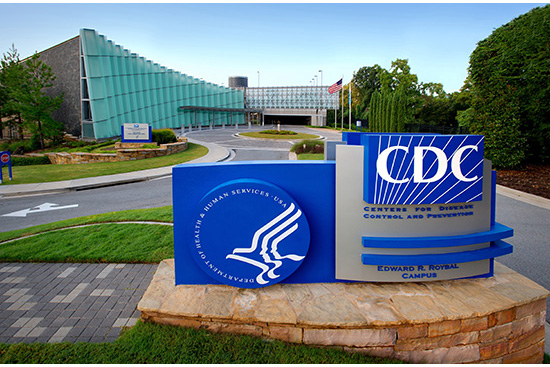
I discuss the anti-gun bias at the federal government Centers For Disease Control (CDC) and why we should be suspicious of calls for more CDC-backed research into "gun violence".
Wednesday, June 15, 2016
When Everything Is "Critical", Then Nothing Is
Another consequence of poorly designed electronic medical records (EMRs) is "alert fatigue":

Electronic health records increasingly include automated alert systems pegged to patients’ health information. One alert might signal that a drug being prescribed could interact badly with other medications. Another might advise the pharmacist about a patient’s drug allergy. But they could also simply note each time that a patient is prescribed painkillers — useful to detect addiction but irrelevant if, say, someone had a major surgery and is expected to need such meds. Or they may highlight a potential health consequence relevant to an elderly woman, although the patient at hand is a 20-something man.This can have real-life consequences:
The number of these pop-up messages has become unmanageable, doctors and IT experts say, reflecting what many experts call excessive caution, and now they are overwhelming practitioners.
Clinicians ignore safety notifications between 49 percent and 96 percent of the time, said Shobha Phansalkar, an assistant professor of medicine at Harvard Medical School.
“When providers are bombarded with warnings, they will predictably miss important things,” said David Bates, senior vice president at Brigham and Women’s Hospital in Boston.
In one instance at Children’s [Hospital of Philadelphia], doctors ignored relevant information about how a patient might respond to a drug, Shelov said, because it appeared alongside heaps of other superfluous notifications — warnings, for instance, about drugs that posed minimal risk of interfering with each other. Consequently, the patient received medication that induced a potentially lethal reaction.When everything is "critical", then nothing is.
The hospital caught the mistake in time, but the incident spurred a series of changes. A team of pharmacists, doctors and other clinicians have sorted through what triggered alerts in their system, turning off the ones they decided weren’t actually relevant or necessary. That has helped. But it’s still an ongoing battle, Shelov said. “It’s a little bit of trying to turn off the firehose.”
Monday, June 13, 2016
Doctors And Handwashing
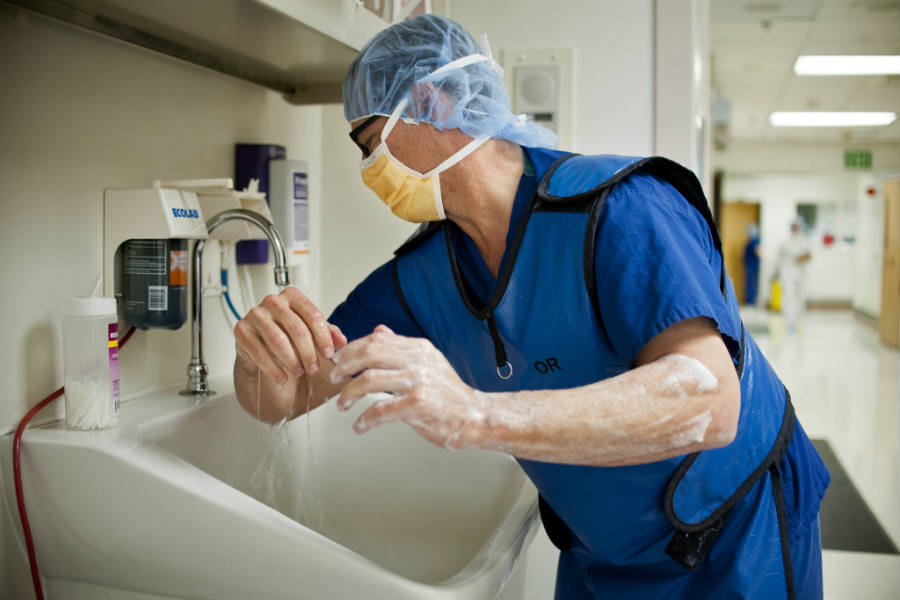
"What is doctors' compliance rate for hand hygiene procedures?"
As Tyler Cowen says:
As Tyler Cowen says:
According to a new study, when they know they are being watched it is 57 percent.
When they don’t know they are being watched, it is 22 percent.
What I find shocking is not the difference, which fits readily into the economic way of thinking. It is that direct observation of doctors still does not get the rate above 57 percent.
Tuesday, May 31, 2016
Hsieh Forbes Column: Three Tales of Health, Technology, and Freedom
My latest Forbes piece is now out: "Three Tales of Health, Technology, and Freedom".
I highlight recent stories on the "artificial pancreas", research into Chronic Fatigue Syndrome, and patients ordering their own blood tests.
When people pursue important health goals, often the government helps best by getting out of the way.
I highlight recent stories on the "artificial pancreas", research into Chronic Fatigue Syndrome, and patients ordering their own blood tests.
When people pursue important health goals, often the government helps best by getting out of the way.
Friday, May 13, 2016
Dad Of The Year
From the Wall Street Journal, "Tech-Savvy Families Use Home-Built Diabetes Device":
Third-grader Andrew Calabrese carries his backpack everywhere he goes at his San Diego-area school. His backpack isn’t just filled with books, it is carrying his robotic pancreas.Unfortunately, the FDA isn't particularly supportive of such grass-roots endeavors.
The device, long considered the Holy Grail of Type 1 diabetes technology, wasn’t constructed by a medical-device company. It hasn’t been approved by regulators.
It was put together by his father...
Friday, April 29, 2016
Hsieh Forbes Column: Protect Physician Free Speech In The Office Visit
My latest Forbes column is now out: "Protect Physician Free Speech In The Office Visit".
Should politicians dictate what physicians must (or must not) say to patients when it comes to contentious political issues like abortion or gun ownership? I say, "no".

Should politicians dictate what physicians must (or must not) say to patients when it comes to contentious political issues like abortion or gun ownership? I say, "no".
Monday, April 25, 2016
Wednesday, April 13, 2016
Transplant Woes
An unfortunate story: "The Search For A 'Perfect' Organ Cost My Wife Her Life". (Via @motivepwr.)
Monday, April 11, 2016
Human Stories Vs. Electronic Medical Records
Dr. Susan Koven describes how, "As hospitals go digital, human stories get left behind".
Dr. Koven described an encounter with a patient, with enormously rich detail. But when she had to record the information in the electronic medical records, the system hampered her ability to tie key connections together:

Dr. Koven described an encounter with a patient, with enormously rich detail. But when she had to record the information in the electronic medical records, the system hampered her ability to tie key connections together:
My warm feelings vanished as I sat down to document the visit. While I’ve used an electronic medical record for several years, Epic, the system my hospital recently adopted, makes recording stories such as the one my patient shared especially difficult. Her grief and her fatigue, which are inseparable in reality, Epic treats as different problems. That she lives alone and there’s conflict in her extended family, which are also inextricable from her symptoms, must be filed under a tab marked “Social Documentation.”The electronic records may make life easier for the hospital billing department. And they may make life easier for researchers trying to do population-based studies. But if it hampers the primary care physician's ability to actually care for the patient, we have a problem.
Epic features lists of diagnoses and template-generated descriptions of symptoms and physical examination findings. But it provides little sense of how one event led to the next, how one symptom relates to another, the emotional context in which the symptoms or events occurred, or the thought process of the physician trying to pull together individual strands of data into a coherent narrative. Epic is not well-suited to communicating a patient’s complex experience or a physician’s interpretation of that experience as it evolves over time, which is to say: Epic is not built to tell a story...
The risk of this format, as physician and medical informatics expert Dr. Robert Wachter points out in a blog post, is that we may forget that “patients are more than the sum of their problems.”
A medical record that abandons narrative in favor of a list does more than dehumanize our patients. It also hampers a clinician’s diagnostic abilities. Take a patient I saw recently, a middle-aged woman with palpitations. She was perimenopausal, stressed out at work, having trouble sleeping, drinking lots of coffee to stay awake during the day, and had a family history of heart disease. Any one of those issues might explain her palpitations, but more likely some combination of interrelated factors was causing them. Sorting out the story is crucial to deciding which tests to order and what treatment to recommend.
Friday, April 8, 2016
Patient Secretly Records Surgery And Hears Disturbing Conversations
From the 4/7/2016 Washington Post: "Patient secretly recorded doctors as they operated on her. Should she be so distressed by what she heard?"
Although I don't do surgery, I do sometimes perform invasive procedures on unconscious or sedated patients. I always speak as if the patient were fully awake and able to understand me.
One can debate the ethics of recording one's doctor when they aren't aware of it. I do fully support recording important doctor visits with the consent of both parties, as I discussed last year in, "Why You Should Record Your Doctor Visits".
Although I don't do surgery, I do sometimes perform invasive procedures on unconscious or sedated patients. I always speak as if the patient were fully awake and able to understand me.
One can debate the ethics of recording one's doctor when they aren't aware of it. I do fully support recording important doctor visits with the consent of both parties, as I discussed last year in, "Why You Should Record Your Doctor Visits".
Subscribe to:
Posts (Atom)